COVID-19 Discover Study

Regular Off Off

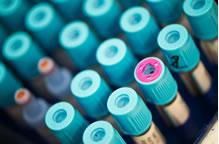
With ongoing support from Southmead Hospital Charity, the DISCOVER study aims to collect blood samples and other routinely collected microbiological samples as well as medical information from patients with suspected coronavirus.

These blood samples will be analysed for both routine and new tests. Patients will be followed up with after one month to see how coronavirus affected them, and to see how useful the blood tests were at predicting their condition.

Biological samples will also be stored (anonymously) for future research on how COVID-19 makes people ill. In the future, this information could help doctors decide which tests are useful in managing coronavirus.

Dr David Arnold, a Respiratory Doctor at NBT, shares more about the importance of the DISCOVER study:

Video Transcript

Hello, my name is David Arnold, I'm a Respiratory Doctor here at Southmead Hospital and part of the NBT COVID-19 Research Team.

The research response at NBT to COVID-19 has been amazing, with nearly every patient recruited to at least one of our open clinical studies. One of these studies is called the DISCOVER study which is NBT led and set up by me and one of the Microbiology Doctors, Fergus Hamilton.

The Southmead Hospital Charity is supporting us in continuing the DISCOVER study, which aims to analyse blood-based biomarkers from patients who are admitted with the coronavirus.

Because one of the really important decisions that healthcare professionals have to make when seeing a patient with COVID-19 is who can be safely discharged home to recover there and who needs to be admitted to hospital for closer monitoring and support.

But we can do so much more with these samples as well. And with collaborations with the University of Bristol's UNCOVER group, as well as Public Health England, we can look at immunity following the virus, as well as secondary infections and respiratory compromise when people are recovering.


Study Results:

Patient outcomes after hospitalisation with COVID-19 and implications for follow-up; results from a prospective UK cohort

Of those who participated in the DISCOVER study, researchers have found that three quarters of the group who received care for COVID-19 were still suffering ongoing symptoms three months later.

  • 81 out of 110 discharged patients were still experiencing symptoms such as breathlessness, excessive fatigue and muscle aches when invited back to clinic.
  • Many were also suffering from poor quality of life compared to the rest of the population, struggling to carry out daily tasks such as washing, dressing or going back to work.

Most of the patients did, however, report improvements in their initial symptoms of fever, cough and loss of sense of smell. Reassuringly, the majority of patients had no evidence of lung scarring or reductions in lung function.

Speaking of the findings, Helen Lewis-White (Deputy Director Research & Innovation) said:

“There’s still so much we don’t know about the long term effects of coronavirus, but this study has given us vital new insight into what challenges patients may face in their recovery and will help us prepare for those needs. 

We’re pleased that researchers at Southmead Hospital are leading the way, and hope our findings can help patients and their GPs understand the course of post-COVID illness and the role of routine tests."

To find out more about these discoveries, read the full pre-print report.

Please note this is a preprint, so it is a preliminary piece of research that has not yet been through peer review and has not been published in a scientific journal – so this is early data.

Are vaccines safe in patients with Long COVID? A prospective observational study?

The DISCOVER study followed a cohort of patients who were admitted with COVID-19 in 2020, many of whom remain highly symptomatic. It then compared those who received a vaccine to those who didn’t.

  • 94% of participants had no worsening of symptoms after receiving the vaccine compared to 86% of unvaccinated sufferers from the same study.
  • 23% of the patients with Long COVID actually saw an improvement in symptoms after receiving a vaccine, compared with 15% of the same Long COVID patient group who were unvaccinated.

The study follows uncertainty and concern amongst Long COVID sufferers on the impact the vaccine may have on their symptoms, with anecdotal reports suggesting both worsening and improvement of symptoms.

The study has found that for patients suffering with Long COVID, receiving a COVID-19 vaccine did not worsen their symptoms, which will be of great reassurance to many.

Speaking of these findings, Dr Fergus Hamilton from North Bristol NHS Trust said:

“This is really positive news for those with Long COVID. This study confirms that the COVID-19 vaccines do not worsen symptoms with a hint that they could actually improve them for some people. We hope this provides reassurance for anyone with Long COVID who may have been hesitant to get the vaccine, and we would encourage everyone to get the jab when invited.”

To find out more about these discoveries, read the full pre-print report.

Please note this is a preprint, so it is a preliminary piece of research that has not yet been through peer review and has not been published in a scientific journal – so this is early data.


Thank you to all of our research teams who are making such a different to people’s lives, and also to Southmead Hospital Charity which is raising much-needed funds for COVID-19 research.

Take Part in Research

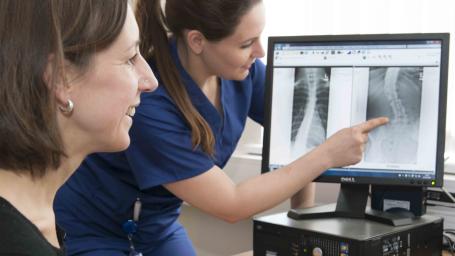
Patient & Doctor viewing an x-ray

Become one of the thousands of people taking part in research every day within the NHS.

Contact Research

Research & Development
North Bristol NHS Trust
Level 3, Learning & Research building
Southmead Hospital
Westbury-on-Trym
Bristol, BS10 5NB

Telephone: 0117 4149330
Email: research@nbt.nhs.uk

R&I DISCOVER 2.jpg

Point of Care

Regular Off Off


Point of Care Testing

Point of care testing (POCT), also known as extra-laboratory testing or Near Patient Testing (NPT), refers to any analytical test performed for or by a patient outside the conventional laboratory setting.

The Point of Care Testing Team provides support for many POCT applications to North Bristol NHS Trust.

The service encompasses:

  • Advice on the selection and procurement of POCT equipment.
  • Maintenance and servicing of blood gas analysers across the Trust.
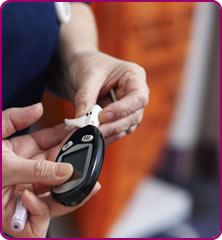
  • Replacement and servicing of blood glucose/ketone meters.
  • Supply of consumables for blood glucose meters including quality control solutions, batteries and user manuals.
  • Supply of Pregnancy testing kits (via Pharmacy).
  • Training in blood gas analysis, blood glucose analysis, capillary blood collection, urinalysis, haemoglobin testing and pregnancy testing.
  • Training materials for urinalysis and pregnancy testing.
  • External Quality Assurance schemes for blood glucose and some other POCT tests.
  • Support for Haematology analysers situated in Out Patients departments and Operating Theatres.
  • Covid-19 testing using Abbott ID Now devices.

Please also see the results of our latest POCT User Survey.


Updated 26/10/2021

Point of Care Testing

The department is open 9am to 5pm Monday to Friday.

Pathology Sciences Laboratory,
Southmead Hospital,
Westbury-on-Trym,
Bristol
BS10 5NB

Email: POCT@nbt.nhs.uk

Telephone: 0117 4148422

POCT Information on LINK

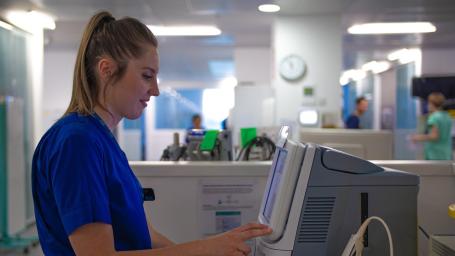
The image shows a healthcare worker using a Blood Gas analyser on a ward.

All POCT documentation (including SOPs, Quickguides and manuals) can be found on the POCT pages on LINK.

Point of Care

COVID-19 CCP-Cancer Study

Regular Off Off

Currently, there is extremely limited information regarding the risks posed by SARS-CoV-2 virus responsible for COVID-19 to patients with cancer.

This study aims to understand the presentation, management and outcomes of cancer patients with COVID19. The influence of cancer type and treatment will be explored as well as comparing cancer patients with non-cancer patients.

This study will provide valuable information that would educate as well as help inform practice for future possible outbreaks. The information may also inform the development of guidelines with regard to the care and management of cancer patients with viruses such as COVID19 and similar infectious diseases.

Cancer is immunosuppressive, the nature of the immunosuppression seems to be influenced by the microbiota, in addition pulmonary infections are also influenced by the host microbiota, therefore it is important to understand this impact in cancer patients. Analysis of samples from cancer patients with COVID19 offer the opportunity to learn more of these interactions.

The purpose of CCP-CANCER UK study is to obtain additional data from patients with cancer who were/are recruited into the Principal CCP-UK study which is the key national protocol for characterising COVID19 in the UK population. This study is designed to supplement, not replace, the Principal CCP-UK protocol.

This study will be open to research sites who are currently participating in the Principal CCP-UK study.

The CCP-Cancer UK study will run for two years. An additional specific cancer data set will be collected from participant's existing medical records. This cancer specific information when combined with the rich data set related to the COVID-19 episode (derived from CCP-UK) will enable a full understanding of COVID-19 in patients with cancer as well as enable a comparison with non-cancer patients.

Take Part in Research

Patient & Doctor viewing an x-ray

Become one of the thousands of people taking part in research every day within the NHS.

Contact Research

Research & Development
North Bristol NHS Trust
Level 3, Learning & Research building
Southmead Hospital
Westbury-on-Trym
Bristol, BS10 5NB

Telephone: 0117 4149330
Email: research@nbt.nhs.uk

R&I - CCP Cancer banner.png

Urology Research Team

Regular Off Off

The Urology Research Team at NBT is a multidisciplinary team of healthcare professionals, academics and members of the public working across both functional urology and oncology.

Our research is supported by the Department of Health and the Bristol Urological Institute. We conduct research across a variety of settings, including laboratory based work and clinical work.

We work on a range of commercial and non-commercial, qualitative and quantitative research and collaborate with colleagues locally, nationally and internationally in order to improve outcomes for patients suffering from various urological conditions, including but not limited to:

  • Cancers such as prostate, bladder, kidney, penile and testicular
  • Male and female incontinence
  • Kidney disease including stone problems
  • Uretic disease
  • Benign prostate disease

We have close links with the University of Bristol and University of the West of England (UWE). We also work with patient groups such as Prospect.

Meet the team:

Becky Cousins - Lead Research Nurse

Lead Research Nurse

Becky currently works as the Lead Research Nurse for Urology at Southmead Hospital, managing a team of 6 highly competent research practitioners. Prior to her training, she completed her degree in Biomedical Sciences and Masters of Research at Cardiff University. Having qualified as an adult nurse from City University in 2013, she began working on a complex older adult ward at Whipps Cross Hospital, London. Whilst working in a clinical role she became focused on making an impact on quality of life through her job and keen to identify ways she could use her skills in research. After seeing an advert for the Huntington’s Disease (HD) research team at Cardiff University, she headed back to Wales in 2014 taking on a full-time role as a research nurse. She led on drug trials, longitudinal and academic studies, for which she gained a deep interest and passion. She joined North Bristol NHS Trust in 2019 as a research nurse with the ReMemBr group, focussing her passion for dementia research. Recently, she took a new path and joined the Urology Research team as the team lead, focusing on expanding the research portfolio and delivering a first in human catheter study. Becky has a keen interest in quality of life research, focussing on how we value people living in residential care. She is driven to see her team succeed; pursue their own research ideas and become highly qualified health-care professionals.

Marta Cobos-Arrivabene - Research Nurse

Research Nurse

Marta joined the Urology Research team in May 2021 and works primarily in functional urology. She qualified as a Registered Nurse in 2018 at the University of the West of England. Previously she worked as a recovery nurse in Medirooms at NBT where she covered different surgical specialities including urology. Her interest in research started during her student days when she had a placement with the research team. Since then, her passion about finding out about the latest treatment options for her patients and further understanding patient diagnoses and disease prevention has grown.

Victoria Garner - Research Nurse

Research Nurse

Victoria is the newest member of the Urology research team, having joined in June 2021. She has a degree in Medical Physiology from the University of Leicester, and in Adult Nursing from the University of Birmingham, and qualified as a nurse in 2014. Victoria has worked mostly in London, initially in Intensive Care at Kings College Hospital, before moving to Neonatal Intensive Care at St Georges Hospital. While this is the first role Victoria has had in research, it has been an area of great interest to her for many years, and she is passionate about pursuing a role in developing and improving the care available to people. Victoria works primarily in functional urology, on the PriMUS and PURSUIT trials.

Liz Goff - Research Administrator

Research Administrator

Liz  joined the Urology Research team in April 2024 as a research administrator. Her role involves assisting the team with the daily administrative elements of running clinical research studies, helping with diary management, data entry and queries, document management and archiving, study finances and liaising with external sponsors. 

Take Part in Research

Patient & Doctor viewing an x-ray

Become one of the thousands of people taking part in research every day within the NHS.

About Research & Development

NBT Researcher

Find out more about our research and how we're working to improve patient care.

Contact Research

Research & Development
North Bristol NHS Trust
Level 3, Learning & Research building
Southmead Hospital
Westbury-on-Trym
Bristol, BS10 5NB

Telephone: 0117 4149330
Email: research@nbt.nhs.uk

R&I Urology.jpg

Nutrition & Dietetics Nutrition Support

Regular On Off

Malnutrition is a serious condition that happens when your diet does not contain the right amount of nutrients. Signs of malnutrition include weight loss, increased tiredness and poor wound healing.

If you or someone you know is at risk of malnutrition it is important to recognise and treat early.

Calculate the risk of malnutrition for you or someone you know.

There are many causes of malnutrition including loss of appetite, difficulty swallowing and changes to taste and smell. If left untreated, malnutrition can cause loss of muscle strength, increased risk of infection and low mood.

If you are in the community and are worried that you or someone you know is at risk of malnutrition, take a look at the following resources. If weight loss continues or you have already lost a lot of weight without meaning to, please speak with your GP and they may refer you to a community dietitian.

For ways to increase energy and protein intake at home, click on the below links:

For ways to increase variety in your diet, click on the below links:

If you or someone you know is in hospital take a look at the following resources.

For ways to increase energy and protein intake in hospital:

Additional information

For information on nutrition and COVID 19: Malnutrition Pathway COVID-19 Leaflets

For information on malnutrition and specific conditions: www.malnutritionpathway.co.uk/specific-resources 

For information on diet and specific conditions:

 www.bda.uk.com/food-health/food-facts.html

www.bda.uk.com/resource/pressure-ulcers-pressure-sores-diet.html


Contact Nutrition & Dietetics

Kendon House
Kendon Way
Southmead Hospital
Bristol

Telephone:  0117 414 5428 or 0117 414 5429

FIT Testing for Patients

Regular Off Off

Information for Patients

Faecal Immunochemical Test (qFIT) for Occult Blood in Faecal Samples

What is being tested?

The faecal immunochemical test (qFIT) checks for blood in your faeces. Normally, only a very small amount of blood is lost in the stomach or intestines. This is less than you can see in your faeces and is not enough to be detected with a FIT test.

A positive FIT test will tell your doctor that you have bleeding occurring somewhere in your gastrointestinal tract. This blood loss could be due to ulcers, bulges, polyps, inflammatory bowel disease, haemorrhoids (piles), swallowed blood from bleeding gums or nosebleeds, or it could be due to early bowel cancer. Anything that sticks out into the intestine, like a polyp or tumour, and is rubbed against by the faeces as it passes through, has the potential to bleed now and again. Often this small amount of blood is the first, and sometimes the only, symptom of early bowel cancer.

Which patients are eligible for FIT?

The main use for the FIT test is as to find early bowel cancer. Blood in the stool may be the only symptom of early cancer. If the cancer is detected before it spreads to other areas, there is a greater chance it will be cured. The signs and symptoms of bowel cancer are not always easy to see. In some patients, with an abdominal or rectal mass, rectal bleeding, anal ulceration or if they are age >60 y with iron deficiency anaemia. Your GP will request you are seen by the hospital urgently as a “two week wait patient” and you will not be offered a FIT test. In other patients where the signs and symptoms are less clear your GP may think you could have bowel cancer but wants to be more certain that this is the case. In these circumstances a FIT test will help them decide.

You also need to meet some other criteria to be offered the test; these criteria have been developed by the National Institute for Clinical Excellence and local cancer services after reviewing all the evidence. 

  • •    Weight loss, abdominal pain, change in bowel habit (age >40 years)
    •    Iron deficiency anaemia (age <60 years) or a non-iron deficiency anaemia (age >60 years)
    •    Change in bowel habit or other symptoms that could be caused by colorectal cancer but are low risk (age >18 years)

How do you get tested?

Your GP will give you a pack containing all the information and equipment you need to collect your faecal sample and send it directly to the laboratory or return it to the GP practice to forward to the laboratory

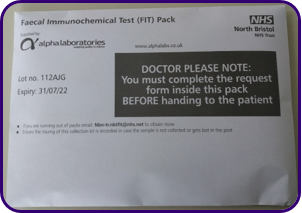
Outer packaging for sending FIT test sample to laboratory
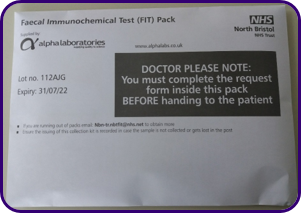
Outer packaging for sending FIT test sample to GP surgery


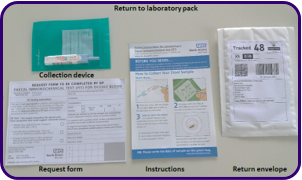
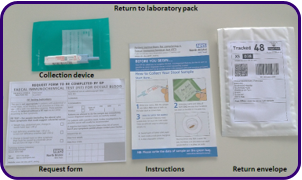
Inside the pack you will find the 
•    Collection device
•    Request form (for return to GP pack this will be generated by the practice)
•    Instruction sheet
•    Return envelope

Contents of FIT testing pack to send back to laboratory
Contents of FIT testing pack to send back to GP surgery


Your GP should have completed the request form, if this has not been done then please ask the practice to do this for you.

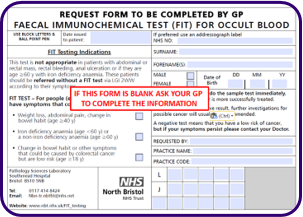
Request form for FIT testing


Read the instructions carefully

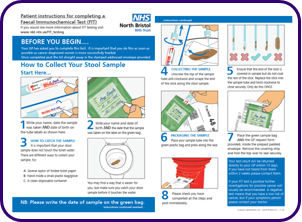
Instructions for collecting sample for FIT test and sending back to laboratory
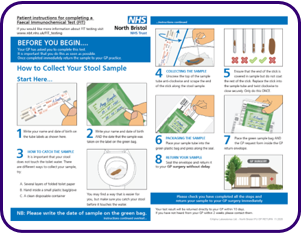
Instructions for collecting sample for FIT test and returning to GP surgery


Click here to see a full sized version of the instructions:


When you have collected your sample

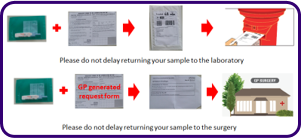
Overview of collection of FIT sample to return via mail or GP


How soon can I expect the results?

GP’s will receive the results of the analysis within 7 working days from the date the test is sent to the laboratory.  Your GP may then need to decide what is the next best step for you but if you have not heard within 10-14 days please contact the practice.

What do the results mean?

If the Faecal occult blood test is negative:  If your result is negative (Faecal occult blood (FIT) <10 μg Hb/g faeces) it is very unlikely you have bowel cancer. You therefore do not need referral for suspected bowel cancer.  If your GP is concerned that worrying symptoms persist they may do further tests or refer you for specialist advice.  This will be done in line with local arrangements.

If the Faecal occult blood test is positive:  If your result is positive (Faecal occult blood (FIT) >10 μg Hb/g faeces), this does not necessarily 'prove' that you have cancer. There are other possible causes of bleeding and other follow-up procedures will need to be done to find the source of the bleeding.  Your GP is likely to refer you for further investigations and this may be done urgently
 

Where can I access further information and support?

•    For more information about FIT the following website might be of interest: www.faecal-immunochemical-test.co.uk/
•    For more general information about laboratory tests: https://labtestsonline.org.uk/

Lab Tests Online Logo


To contact the laboratory who are going to process your sample?

Please email the laboratory on nbn-tr.nbtfit@nhs.net


Page updated 28/09/21

Test Information

Sample vials for testing

Includes details of sample types, volumes, special precautions, turnaround times & reference ranges.

FIT Testing for Patients

Clinical Immunology/Immunodeficiency - Information for Patients

Regular Off Off

This page is for patients with an immunodeficiency. It has information about when to contact us and how to get further information about living with an immunodeficiency. 

General information

ID UK (Immunodeficiency UK) is a patient organisation that has produced useful information for patients with primary and secondary immunodeficiency: Immunodeficiency UK | Home 

If you are on immunoglobulin replacement or if your consultant has recommended this then you can find more information about this treatment here: Use of immunoglobulin (IgG) in antibody deficiency | North Bristol NHS Trust (nbt.nhs.uk)

COVID-19

We advise our patients to follow government guidelines in terms of protecting themselves from COVID-19. These are updated regularly and can be found here: COVID-19: guidance and support - GOV.UK (www.gov.uk)

ID UK also produces expert guidance for patients with immunodeficiency in relation to COVID-19: COVID-19 - Immunodeficiency UK

COVID-19 vaccines

Useful information with regards to COVID-19 vaccines can be found on the government website and the ID UK website. Household contacts of people who have weakened immune systems are also eligible for COVID-19 vaccinations.  

Further support and information

If you are under the care of the Immunology team for an immunodeficiency and are admitted to hospital for an infection:

  • Let us know by phoning 0117 414 3456.
  • Tell the team looking after you that you have an immunodeficiency.

You should also let us know if:

  • You have regular immunoglobulin infusions and develop an infection that is being treated in hospital.

© North Bristol NHS Trust. This edition published April 2024. Review due April 2027. NBT003618.

Clinical Immunology/Immunodeficiency

Breast Care Research Team

Regular Off Off

The Breast Care Research Team

Our team is a dedicated group of nurses, administrators, and surgeons, conducting Breast Care studies.

Our research is supported by the Department of Health with our research projects encompassing a wide breadth of both laboratory-based and clinical work, to improve patient health, wellbeing and care.

We work on a range of commercial and non-commercial, qualitative and quantitative projects and collaborate with colleagues locally, nationally and internationally in order to improve outcomes for patients suffering from various conditions. 

Our work benefits patients not only here in the NHS, but also increases care standards globally.

The team has a wealth of experience conducting research studies and trials, and improving training, guidelines, and patient outcomes.

Our staff work in close collaboration with a number of partners, primarily linked with the University of Bristol and University of the West of England (UWE) as well as a number of other NHS Trusts.

We also work closely with Bristol’s Haematology and Oncology Centre (BHOC) and operate a shared care research pathway between us so patients can receive the highest standard of care whilst taking part in a research study

Meet the Team:

Sasirekha Govindarajulu

Consultant Breast Care Surgeon

Miss Sasirekha Govindarajulu has worked in the Breast Unit at Southmead Hospital Bristol for the past 12 years and maintained the highest possible standard of care for patients, always seeking to improve the experience of patients.

With continuing interest in research, publications and lecture tours maintained high standards of care for patients: Faculty of the national ultrasound course, Faculty of the National vacuum assisted mammotomy training course, National peer review panel, Faculty National Survivorship Programme Patient User and information lead for ASWCS network.

As an Audit Lead of the breast unit, Miss Govindarajulu is always passionate about standards and excellence of care.

Her clinical interests are diagnosis and treatment of breast cancer, including surgery for breast cancer and reconstructive surgery, sentinel node biopsy for breast cancer assessment, diagnosis and management of all benign problems including breast pain. Miss Govindarajulu is also experienced in performing diagnostic breast and axillary ultrasound, diagnostic and therapeutic ultrasound guided interventional procedures, ultrasound guided minimally invasive procedures for therapeutic excision of benign lumps using vacuum assisted procedure and radio frequency ablation, and localising small lesions with ultrasound. 

Her clinical interests also include latissimus dorsi breast reconstruction, all implant-based reconstructions including use of acellular dermal matrix, breast reduction and augmentation, and symmetrisation procedures and other onco-plastic procedures.

Anjum Mahatma

Consultant Breast Care Radiologist

  • FRCR
  • Consultant Radiologist with subspecialty interest in Breast Radiology
  • Clinical Governance lead of Breast Care Unit
  • Principal Investigator of Mammo-50 Trial
  • Educational Supervisor

Alexandra Valencia

Consultant Breast Care Radiologist

Alexandra was appointed as a Consultant Radiologist at the Bristol Royal Infirmary and Avon Breast Screening in 2006, and was Director of Screening from 2012-2019, co-leading on the centralisation of breast services in Bristol. She was Clinical Lead for the Bristol Breast Care Centre from 2018-2020, and has been a Professional Clinical Advisor for PHE since 2014. Alexandra is currently a member of the Breast Screening Clinical Professional Group and the Clinical Advisory Group. Her main interests are Breast MR and breast interventional procedures as well as Quality Assurance in the NHSBSP and increasing the efficiency of breast screening and symptomatic pathways.

Michelle Mullan

Oncoplastic Breast Consultant

Michelle qualified from the University of Bristol in 1995 and underwent her surgical training in Bristol and the West Midlands. She has always been interested in breast disease and undertook research at The Royal Surrey County Hospital in sentinel lymph node biopsy, as part of the Medical Research Council ALMANAC Trial. Michelle has been appointed as a Trustee for the Association of Breast Surgery and sits on the Clinical Practices and Standards Committee.

Her advanced surgical training in Oncoplastic Breast Surgery was in the UK and the United States, practising at the University of Michigan, Ann Arbor, and the Henry Ford Institute in Detroit. She was admitted as a Fellow of the Royal College of Surgeons of England in 2006. In 2008 Miss Mullan won the European Society of Surgical Oncology Travelling Scholarship and spent her time at the Nottingham Breast Institute. Her first consultant appointment was in Worcestershire in 2008, where she was Lead Cancer Clinician for the county. She was appointed to her current position as an Oncoplastic Breast Consultant at North Bristol NHS Trust in 2019.

Her clinical interests include breast cancer surgery using oncoplastic techniques (surgery with minimal scarring), sentinel lymph node biopsy, lipofilling of breast defects (Colman fat transfer), breast reconstruction, nipple reconstruction and nipple tattooing.

Emily Allam

Breast Care Senior Research Nurse

Linda Bourton

Breast Care Research Nurse

Shinu Jackson

Breast Care Research Nurse

Alison Markham

Breast Care Research Nurse

Alexander Rose

Breast Care Research Admin

Take Part in Research

Patient & Doctor viewing an x-ray

Become one of the thousands of people taking part in research every day within the NHS.

About Research & Development

NBT Researcher

Find out more about our research and how we're working to improve patient care.

Contact Research

Research & Development
North Bristol NHS Trust
Level 3, Learning & Research building
Southmead Hospital
Westbury-on-Trym
Bristol, BS10 5NB

Telephone: 0117 4149330
Email: research@nbt.nhs.uk

R&I Surgery Team Banner.png

Women & Children's Public Involvement Group

Regular Off Off

We value Public Involvement to help us to improve the care we provide

Our team does not just involve patients as Research/Trial participants. We are also committed to involving the public in every stage of a research project’s journey. From the development of an idea, through to the sharing of a project’s findings, we feel strongly that consistent involvement and engagement with our public partners in our research will result in high quality projects that are focussed on patients, and with outcomes that are important to them. We want to address real world healthcare challenges and improve care, but we can only do this by understanding and listening to a wide range of opinions and by ensuring we have a culture that encourages patient driven ideas.

We are always keen to expand our Public Involvement Group and have new members join us!

Who is this opportunity for?

Patients with experience of Obstetrics/Gynaecology/Maternity services or members of the public with an interest in improving Women & Children’s Health and Care through research. We also have project-specific groups whose members may have a particular condition or experience – please contact us and we can keep you up to date with any relevant projects.

How you can be involved.

The Research Unit will host face-to-face meetings, video chats or can discuss projects via phone or email, if you prefer. We like to encourage discussions with researchers about their project ideas and research approaches; we ask for help reviewing research summaries and other research documentation; and also want to hear your  general “lived experience” perspective to advise our research staff and clinicians on how best to deliver our projects. We can provide training to support your involvement in our projects, as required.

When?

The dates and times of all the meetings/activities will be agreed in advance and we will endeavour to give as much notice as we can. Timings will be varied and flexible to accommodate the group.

Where?

Face-to-face meetings are sometimes held in the Learning & Research centre at Southmead Hospital. However, we also like to choose the most suitable venue for the group that is meeting – these can be less formal and, for example, more child-friendly, if required.

If you are interested in being involved in our general and/or or a specific project’s Public Involvement Group, would like to register your interest, or would just like some more information please email us via wchresearch@nbt.nhs.uk.

Take Part in Research

Patient & Doctor viewing an x-ray

Become one of the thousands of people taking part in research every day within the NHS.

About Research & Development

NBT Researcher

Find out more about our research and how we're working to improve patient care.

Contact Research

Research & Development
North Bristol NHS Trust
Level 3, Learning & Research building
Southmead Hospital
Westbury-on-Trym
Bristol, BS10 5NB

Telephone: 0117 4149330
Email: research@nbt.nhs.uk

R&I W&C Banner.png

Women & Children's Research Team

Regular Off Off

The Women & Children’s Health Research Unit (WCHRU) is a multidisciplinary team of healthcare professionals, members of the public and academics. They conduct research across many areas of Women’s Health: from Reproductive Health and Gynaecology, through Antenatal care to childbirth; and also the follow on care of mothers and new born babies.

Our research is supported by the Department of Health and a range of charities, with our research projects encompassing a wide breadth of both laboratory-based and clinical work, to improve health, wellbeing and patient care.

We collaborate with colleagues nationally and internationally to develop and deliver ground-breaking, high-quality research and care, which benefits our patients here in the NHS but also increases care standards globally.

The Women & Children’s Health Research Unit is led by a multi-professional senior research team with support from North Bristol NHS Trust, the University of Bristol and the Prompt Maternity Foundation.

The team has a wealth of experience conducting research studies and trials, and improving training, guidelines and patient outcomes.

Our key areas of interest and expertise include:

  • Multi-professional Obstetric Training
  • Maternal & Foetal medicine
  • Bereavement care following baby loss
  • Improving antenatal care
  • Improving education
  • Simulation training
  • Operative vaginal births
  • Infertility
  • Core Outcome Sets
  • Global obstetrics

Our staff work in close collaboration with University partners, as well as a number of other NHS Trusts. We also have fundamental links with organisations such as the Royal College of Obstetricians and Gynaecologists, the Clinical Research Network, the National Simulation Network, International Stillbirth Alliance, and many more.

Meet the team:

Mary Alvarez

Senior Research Midwife

Mary qualified as a midwife in 1991 and has worked at NBT since qualifying. Marys research career began in January 2015 when she was given the lead midwife role on the IMox study; she was subsequently promoted to the role of senior research midwife in 2017. Mary is also a faculty member of PROMPT maternity Foundation, a research champion for the West of England and is an alumni of the NIHR’s Advanced Leadership Programme. Mary aims to create a research culture at NBT where research is seen as ‘everyone’s daily business’ and where all women will have an opportunity to engage with world class research. Mary recently completed an MScR award with the University of Bristol. Using qualitative data from the women and midwives who participated in the ASSIST II study integrated qualitative study, Mary produced and will publish a framework to ensure that recruitment to intrapartum research is a whole pregnancy process, is fair and woman centred.

Nichola Bale

Senior Research Midwife

Nicky was a clinical midwife for 16 years before entering research in 2016, to lead on a large intrapartum study at the Great Western Hospital, Swindon.  From this, she developed a keen interest in research processes and the difference research can make to both current and future patients.  Keen to pursue this as a new career pathway, Nicky took a fixed term research contract at North Bristol NHS Trust, which was made permanent in October 2019.  From March 2019 Nicky has been substantively employed as a Senior Research Midwife, jointly leading the Womens’ and Childrens’ research team of nurses and midwives.  The growing portfolio covers studies in maternity, gynaecology and NICU and is successfully expanding in breadth and depth.  Nicky is also a Midwifery Research Champion working with a national network of midwives and nurses representing all Clinical Research Network regions and the devolved nations. 

Elizabeth 'Annie' Deacon

Research Midwife

Annie has worked in research delivery across multiple studies for over seven years and witnessed first-hand how research improves the health and wellbeing of women and children in maternity services. She acknowledges that women need to be given the highest quality evidence to make decisions about their care and this can only be achieved through an NHS trust that is research active with motivated staff. She feels privileged to work in such an environment.

With 38 years of nursing and midwifery experience prior to entering the world of research, I have had the opportunity to use my clinical knowledge to support women considering and participating in research to make an informed choice when they become involved in the research process.

Naomi Mallinson

Research Midwife

Naomi joined the Women and Children’s Health research team in 2016 and brought with her a wealth of clinical midwifery
experience. She qualified as a midwife in 2002 focussing on mainly providing care to families within the labour ward and
antenatal settings. 

Naomi is a core member of the W&C research team and has engaged families in a wide range of maternity, gynaecology,
reproductive health and more recently, neonatal research studies. Naomi helps provide a link between the community and hospital settings by regularly attending NBT’s antenatal classes, giving families the opportunity to learn more about research much earlier in their pregnancies. 

She is keen to share the positive impact research can have on health care and recognises the wide range of benefits that 
taking part in research offers to patients, staff and NBT.

Katie Mettam

Research Midwife

Katie qualified as a Midwife in 2016 after studying for her midwifery degree at the University of the West of England. Since then she worked as a rotational Midwife at the Great Western Hospital in Swindon and completed two secondments to the Midwife led birth unit there. Katie joined the Women and Children’s research department on secondment in October 2019 to work on the AKID study, investigating Acute Kidney Injury and Diabetes in pregnancy. Katie is passionate about evidence based practice and the positive impact research can have on improving patient care.

Anne Glover

Research Midwife

Anne is a midwife with extensive clinical experience particularly in intrapartum care. She is passionate about research and has previously been involved in Women and Children’s studies as a series of secondments before being welcomed to the team in a permanent role in 2021. Joining at an exciting time of expansion for Maternity Research at NBT, Anne particularly enjoys building relationships with the women and their families who are so enthusiastic about participating in studies. She is looking forward to the team continuing to expand their research portfolio and striving to lead pioneering research and improve care for generations to come.

Rachel Hobbs

Research Midwife

Rachel has enjoyed a varied midwifery career since 2016, working in different midwifery roles at King’s College Hospital NHS Foundation Trust and Great Western Hospitals NHS Foundation Trust. She qualified as an International Board Certified Lactation Consultant (IBCLC) in 2021. This process furthered her interest in women and children’s research. Rachel joined NBT in 2023. She is keen to ensure that the research process is available and accessible for all families with a baby in NICU. Rachel is enthusiastic about the impact research can have on health outcomes and in ensuring the highest quality, evidence-based compassionate care experience for families and those providing care.

Paula Brock

Research Midwife

Paula is a Registered Nurse who also qualified as a midwife many years ago, and then developed a career in Neonatal Nursing.  She  joined the  Research Team with a wealth of clinical experience  to deliver Neonatal studies in 2021. Paula is passionate about expanding neonatal research, to ensure the care of  sick babies is evidence based  and of the highest quality.  She believes that every baby and every family have the right to take part in research.

Since joining the team 6 new national and international studies have opened, with the majority of parents willing to take part. The rapid expansion of projects has an impact on the workload  large neonatal clinical team and Paula is keen to train and motivate professionals, increasing awareness and knowledge to support the delivery of studies.

Michelle Maggs

Research Midwife

Since qualifying as a Midwife in 2003, Michelle gained a wealth of experience in many clinical settings including Antenatal and Postnatal wards, Community and Central Delivery suite within United Hospitals Bristol and Weston NHS Trust. Michelle is passionate about the provision of high quality, evidence based care and recognises the fundamental role research plays in achieving this.  In 2022, Michelle decided to explore a more active role the world of NHS research and joined the Women's and Children's research department at North Bristol Trust.  Since joining, Michelle has worked on a variety of studies covering fertility and maternity care.  Michelle is enthusiastic about the promotion of embedding research into every day clinical care, ensuring opportunities are available to all women and their families.

Ashleigh Promnitz

Research Nurse

Ashleigh joined the Women and Children’s health research team in 2021. She is a qualified nurse with over 10 years of experience, she started her career in surgical admissions and went onto working in the Emergency department at Southmead Hospital. More recently Ashleigh started working in the fertility sector which led her to working in the Women and Children’s research team.

From personal and professional experience, Ashleigh is very passionate about fertility and women’s health research. When she first started working in research, she worked on the BRIST-IVF study, a study that looked to improve outcomes for couples undergoing IVF. Ashleigh now works with Katie on the Gynaecology research portfolio alongside the Gynaecology team on Cotswold Ward at Southmead Hospital.

Sally Hall

Research Administrator

Sally joined North Bristol Trust in 2008 with an extensive secretarial and administrative background. She began working within the respiratory department and then transferred to the maternity Unit where she worked on Quantock Ward and Day Assessment Unit for 9 years as Ward Clerk. Sally joined the research department in 2017 as Trial Administrator for studies including Imox, Mifemiso, Parrot and ASSIST and ASSIST II. Her increasing knowledge of the Women & Children’s department and passion for research helps support and facilitate correct governance for studies within the maternity research department.

Claudia Sepulveda Hurtado

Research Midwife

Claudia is a Midwife that qualified in Chile in 2019, and has been in the UK since 2022. She has mainly worked in a central delivery suite setting and has recently joined the research team in November 2024. She is committed to improving maternal and neonatal outcomes by addressing disparities in care and reducing health inequalities through research and evidence-based practice.  

Laura Caddell

 Research Midwife

After graduating from The University of Nottingham in 2015, Laura worked as a midwife at United Lincolnshire Hospitals NHS Trust before moving to NBT in 2016.  She has worked in all areas of clinical midwifery, both in the UK and abroad, with a particular focus on providing woman-centred intrapartum care in midwife-led settings. She has been a part of the Mendip Birth Centre and homebirth teams at NBT since 2018 and joined the Women’s and Children’s research team in 2024. She is passionate about women and their families receiving both evidence-based and individualised maternity care, and loves being able to support families who want to contribute to our knowledge and understanding of pregnancy and childbirth by participating in maternity research studies.

Kody Lagrimas

Research Administrator

Kody has been with the trust since 2023, utilizing their strong administrative and interpersonal skills to support the Urology department, where they assisted with clinic utilization, booked surgeries, and provided patient support. In late 2024, Kody transitioned to the Women's and Children's department as a research administrator, motivated by the significant impact research has as well as the trust's extensive research initiatives. Since joining, they have been actively involved in the DIVO, GENERATIONS, and PIONEER studies, and is looking forward to contributing to the department's ongoing research efforts.

Take Part in Research

Patient & Doctor viewing an x-ray

Become one of the thousands of people taking part in research every day within the NHS.

About Research & Development

NBT Researcher

Find out more about our research and how we're working to improve patient care.

Contact Research

Research & Development
North Bristol NHS Trust
Level 3, Learning & Research building
Southmead Hospital
Westbury-on-Trym
Bristol, BS10 5NB

Telephone: 0117 4149330
Email: research@nbt.nhs.uk

R&I W&C Banner.png