Parvovirus B19

Wide Off Off

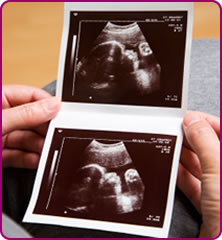
Woman holding scan photos

Parvovirus B19 during Pregnancy

Parvovirus B19 is also known as Slapped Cheek, Human parvovirus or Fifth Disease.

What is Parvovirus B19?

Parvovirus B19 is a virus that commonly infects children. It is usually transmitted by coughing and sneezing (respiratory droplets). Hand washing is important in helping to prevent spread. School teachers, childcare workers and mothers of young children are particularly likely to be exposed to this virus as it is commonest amongst younger school age children, but everyone can be exposed to it.

For most healthy people, Parvovirus B19 causes a mild, self-limiting illness which is followed by life-long immunity.
The Human Parvovirus B19 is not the same Parvovirus that vets may be concerned about in pets, especially dogs, and it cannot be passed from humans to animals or vice versa.

Pregnant women are not routinely screened for past parvovirus B19 infection as there is no vaccine or preventative treatment available.

How common is Parvovirus B19?

The exact number of Parvovirus B19 infections in the UK is not known as the virus does not always show symptoms, and the diagnosis can only be confirmed by blood test.

  • Parvovirus B19 infection is common in developed countries — about 15% of pre-school children, 50% of adults, and 85% of elderly people show evidence of past infection in their blood.
  • Infection with Parvovirus B19 can occur at any age, but is most common in children aged six – ten years.
  • One in 512 pregnancies may be affected.
  • Seasonal outbreaks of Parvovirus B19 occur every three – four years in the UK, mainly in late winter and early spring. During school outbreaks, ten – 60% of exposed children develop symptoms consistent with Parvovirus B19 infection.

What are the symptoms of Parvovirus B19?

Parvovirus B19 commonly causes:

  • High temperature
  • Mild cold-like symptoms including feeling under the weather, a sore throat and a runny nose
  • Headache
  • Mild nausea and /or diarrhoea

The symptoms may happen several days before a rash.

  • The rash is the result of your immune system reacting after the infection has passed. The rash is often present on the face in children and looks like a ‘slapped cheek’ appearance. Facial rash is uncommon in adults. The rash may extend down to the chest, arms, stomach and thighs.  It has a lace-like appearance and can sometimes itch. It may take a few weeks for the rash to completely clear and during that time it may seem to worsen until it fades away entirely. Certain stimuli e.g. heat, exercise and anxiety or stress may reactivate the rash until it completely fades. In some cases, especially in adult women or older teenagers, joint swelling or pain may occur.
  • Rarer symptoms may include swollen glands, red eyes, sore throat, and a rash that might look like blisters or bruises.

A person with Parvovirus is infectious seven to ten days before the rash (if any) develops, until one day after the rash appears. Exposure to infection with Parvovirus B19 may have occurred earlier than you think.

It is important to note that many people (up to 30%) with Parvovirus B19 have no symptoms at all. Less than 50% have a rash.

Why should parvovirus contact or infection be investigated in pregnancy?

In women who are not immune, infection in the first 20 weeks of pregnancy can lead to serious problems for your baby before it is born. This would usually happen three to five weeks after the onset of maternal infection, but can be later.

Most women who have parvovirus in pregnancy will have healthy babies.

Parvovirus B19 is not known to cause congenital abnormalities. However, the infection can be passed from mother to baby and may cause the baby to become anaemic. The level of anaemia and the length of time the baby might have anaemia will be variable and unpredictable. The health of your baby can be monitored to check for signs of anaemia.

The greatest period of risk to the baby is between four to 20 weeks. Infection during this time can sometimes lead to serious complications such as fetal anaemia and sometimes fetal loss (miscarriage or stillbirth). There is a five – ten per cent risk of fetal loss if women develop this infection in the second trimester.

Infection in the first month of pregnancy is not thought to carry any risk.

After 20 weeks of pregnancy the risk of the baby developing severe anaemia is much lower but investigations are undertaken in all cases.

It is important to remember that most babies will not be infected or affected by the virus.

What happens if I think I may have been in contact with Parvovirus B19?

If you have think you have been in contact with Human Parvovirus B19 infection or if you have a rash you should urgently report this to your midwife or doctor as you will need to have a blood test.

Contact is defined as being in the same room as an infected person for a prolonged period (15 minutes or more) or face-to-face contact with the person.  The main source of infection in pregnancy is from household (rather than occupational) exposure.

Until parvovirus infection has been ruled out you should avoid contact with other pregnant women to reduce the risk of infecting others.

The blood test will tell you if:

  1. You have had Human Parvovirus B19 infection before and are now immune and not at risk of infection as you have antibodies to protect you from infection.  *Parvovirus B19 is common and 50-60% of adults have evidence of past infection.
  2. You currently have Parvovirus B19 infection.
  3. You have not had Parvovirus B19 infection before and are at risk of infection.
  4. The blood sample may also be tested for rubella (German measles) in the same way it looks at your parvovirus status if you have no record of previous rubella testing or MMR immunisation.

If I have had a blood test for Parvovirus B19 how soon can I expect my result?

If your midwife or doctor has taken a blood test for Parvovirus B19 infection the result should be available within six working days from sample arriving in the laboratory. Your midwife or doctor should contact you with the result as soon as they receive it.

If you do not hear from your midwife or doctor by seven working days after the test it is strongly advised that you contact them or the surgery, health centre or the Antenatal Clinic of the hospital stated on your maternity yellow book.

If your results show you are Parvovirus B19 antibody negative you are at risk to infection by Parvovirus B19. You will be re-tested one month after the last date of contact to see if you have developed antibodies to the virus. This is to ensure unrecognized (no symptoms) infection is not missed. You should report any rashes that occur in pregnancy or any further contact with known infection as you may need to have another blood test. During this one month you should avoid other pregnant women where possible and inform antenatal services about the contact prior to attending any clinic or ward.

If your initial or follow-up blood test shows you have recently been infected your baby may be at risk of developing the infection. Your doctor and midwife will refer you to a Specialist Fetal Medicine Clinic for further follow-up.

If the results show that you have the infection, you will be referred to a Specialist Fetal Medicine Clinic where you will be offered frequent ultrasound scans to check your baby’s health. An individualised plan for scans is made according to your stage of pregnancy and the findings at each scan. As well as checking the health of your baby, the purpose of the scans is to pick up any signs that your baby is developing symptoms of anaemia.

It is important for you to be aware of the pattern of your baby’s movements and immediately report any changes or concerns to a Health Care Professional.

If the baby shows signs of developing anaemia on scan, an intrauterine blood transfusion may be offered as a treatment for the anaemia. Intrauterine blood transfusion is a process where blood is given to your baby before it is born. This treatment is usually successful in treating anaemia but the procedure itself carries a small chance of miscarriage. If this treatment option is required, the procedure, the benefits, risks and likely outcome will be discussed with you fully by the person carrying out the treatment. The procedure is not undertaken at Southmead Hospital, you will be referred to St. Michael’s Hospital, Fetal Medicine Unit for this.

References & Sources of further information

Fifthdisease.org (2017) What is Fifth Disease
https://www.fifthdisease.org/
[Accessed: 15.11.2017]

NHS (2015) Slapped Cheek Syndrome.
https://www.nhs.uk/conditions/slapped-cheek-syndrome/
[Accessed: 15.11.2017]

NHS (2017) What are the risk of slapped cheek syndrome during pregnancy?
https://www.nhs.uk/chq/pages/1112.aspx?categoryid=54
[Accessed: 15.11.2017]

NICE: National Institute for Health and Care Excellence. Parvovirus B19 infection: Last revised in February 2017
https://cks.nice.org.uk/parvovirus-b19-infection#!scenario:2
[Accessed: 5.12.2017]

https://cks.nice.org.uk/parvovirus-b19-infection#!backgroundsub:1
(Accessed 05/12/2017)

Building the Brunel

Wide Off Off

On 28 May 2014, the Brunel building fully opened and is at the centre of the redeveloped Southmead Hospital Bristol site.

The 800-bed Brunel building sees the end of the traditional ward with single en-suite rooms and single-sex four-bed rooms greatly improving privacy and dignity and helping to control the spread of infections.

Care for the most seriously-ill patients has improved. The Emergency Department (ED) has its own entrance - greatly improving access for ambulances. There is a helipad with a link straight into the Emergency Department and there are also 48 dedicated single rooms for High Dependency and Intensive Care patients.

The design and layout of the Brunel building means that patients and visitors find it easy to navigate. There is one main entrance and relevant departments are located next to each other, cutting down on travel times around the site.

The Brunel building was built with sustainability in mind and is bright and airy with outside views.

There are 2,700 parking spaces on site. Public transport links to the hospital have been greatly improved, making it easier for patients, visitors and staff to leave their cars at home.

Key Project Dates

  • July 2004 - The Outline Business Case is approved by the Secretary of State
  • March 2005 - Southmead confirmed as the preferred site for the new build
  • October 2009 - Full planning approval received
  • November 2009 – Carillion appointed as preferred bidder
  • February 2010 – Contract signed with Carillion to design and build the New Hospital
  • 26 March 2014 – Phase 1 Building is handed over to North Bristol NHS Trust
  • 28 May 2014 – Brunel building declared fully open
  • July 2016 – Phase 2 Building work completed including the Multi Storey Car Park
  • 2019 - Phase 3 Final Landscaping to be completed.
Respiratory medicine.jpg

Physiotherapy after DIEP Surgery

Wide Off Off

We have put together a series of short videos which demonstrate the exercises in the patient information leaflet we will be giving you post-surgery.

Introduction to Physiotherapy after DIEP Surgery


Abdominal exercises Before DIEP Surgery - Beginner Option

These are some of the abdominal exercises we want you to do before surgery. First of all, we will start with the easy option.

Abdominal exercises Before DIEP Surgery – Advanced Option

So once you have mastered the beginner option, we have got some progression exercises now to move on to. It will be the same routine of 30 seconds on, 30 seconds off and you will repeat the exercise four times.

Breathing exercises after DIEP surgery

The Physiotherapist will teach you breathing exercises day one post-surgery. You can do these breathing exercises as soon as you are awake from your anaesthetic.

How to get out of bed after DIEP surgery

How to get out of bed day one post-surgery.

How to Climb Stairs after DIEP surgery

Negotiating the stairs post-surgery.

Abdominal exercises eight weeks after DIEP Surgery – Beginner option

So these are the exercises you are going to do after surgery but just to remember to do them eight weeks after you have had your surgery.

Abdominal Exercises eight weeks after DIEP Surgery – Advanced option

These are advanced exercises after your surgery, so if you find the beginner option too easy or you have mastered them, you will move on to these exercises.

Upper Body Exercises eight weeks after DIEP Surgery

These are the exercises you are going to do after your surgery. Remember eight weeks after you can start doing these exercises. So we are working on our upper body and our arm movements.

Home exercises after DIEP surgery - after the first four weeks

These are exercises 1 – 4. Do 10 repetitions of each exercise.

Home exercises after DIEP surgery - after the first four weeks

These are exercises 5 – 10. These can be completed four weeks post-surgery. Do 10 repetitions of each exercise.

Home exercises after DIEP surgery - after the first five weeks

Exercises 11 and 12 can be added at five weeks post-surgery in addition to your exercises 5 – 10. Do 10 repetitions.

Could I be a Living Kidney Donor - First Stage Complete

Wide Off Off

On the basis of your answers, you have passed the first stage and you are suitable to be assessed in more detail. We would suggest you read the information leaflet - NHS Blood and Transplant - Could I be a living kidney donor? 

If you are still interested in donating a kidney, then please contact our Living Kidney Donor Coordinators at North Bristol NHS Trust on 0117 4148000

If you are not from Bristol you can find your local centre at https://www.organdonation.nhs.uk/become-a-living-donor/ 

Questions to the Trust Board

Wide Off Off

Attending Board of Directors Meetings Held in Public


  1. The Board of Directors meets in public every one or two months, in a venue in either Bristol, South Gloucestershire or North Somerset – please see our website for details of the venue for specific meetings. Members of the public and press are welcome to attend to observe these meetings but must be aware that they cannot take part in the discussion as, although the meeting is held in public, it is not a public meeting.


  2. There are times when the Board needs to consider agenda items which are confidential and cannot be discussed in public. The Public Bodies (Admission to Meetings Act) 1960 permits the Board to pass a resolution at the meeting to exclude the public and press from the meeting ‘whenever publicity would be prejudicial to the public interest by reason of the confidential nature of the business, or for other special reasons stated in the resolution’.


  3. A copy of the agenda and supporting papers are published in advance of the meeting on the About Us section of the Trust’s public website at www.uhbw.nhs.uk (for UHBW-specific meetings) or www.nbt.nhs.uk (for NBT-specific meetings).  


  4. Nameplates for each Board Member are displayed on the table to enable you to identify who is speaking. Board Members consider each agenda item in turn. They may not actively discuss each item in detail; this does not mean that the item has not received careful consideration but may be because the matter has been discussed in detail at Board Committee level or because no one wishes to challenge the recommendations being made. 


  5. The Trust welcomes feedback and members of the public may ask the Board a question on any matter which is within the powers and duties of the Trust. Questions may be asked verbally at Board meetings, at the discretion of the Chair. The Chair will determine who is best placed to respond and how the response should be provided. 


  1. A maximum of ten minutes is allowed for public questions at Board meetings. This may be extended at the discretion of the Chair. 


  1. Questions can also be submitted in writing at least five working days before the Board meeting by emailing Trust.Secretariat@uhbw.nhs.uk or trust.secretary@nbt.nhs.uk (depending which Trust your question is intended for). Each question must give the name and address of the questioner and if the question is being asked on behalf of an organisation then the name of the organisation must be stated. No more than three written questions may be submitted per person. If the Chair considers the question appropriate for the Board meeting, the Trust will normally provide a written response, and the question and response will be read out at the meeting. Copies of the questions and the responses will be recorded in the minutes.


  2. Written questions may be rejected and oral questions need not be answered when the Chair considers that they:
  • are not on any matter that is within the powers and duties of the Trust;
  • are defamatory, frivolous or offensive;
  • are substantially the same as a question that has been put to a meeting of the Trust Board and been answered in the past six months; or
  • would require the disclosure of confidential or exempt information.


  1. Audio or video recording and photographing of Board meetings by members of the press or public is not permitted. 


  2. The Chair ensures that Board meetings take place without disruption and has the right to exclude members of the public if they cause disruption.


  3. Anyone requiring any specific arrangements in regard to disability or special needs should alert the Director of Corporate Governance one week in advance. The Trust will endeavour to accommodate these requirements.


  4. A summary of the key items discussed and decisions taken at the Board is recorded in the minutes, which the Board will be asked to approve as a correct record at its next meeting. The minutes are published on the Trust website as part of the papers for the next meeting in the About Us section at www.uhbw.nhs.uk or www.nbt.nhs.uk 


For further information please contact the Trust Secretariat via email at Trust.Secretariat@uhbw.nhs.uk or by post to: Director of Corporate Governance, Trust HQ, Marlborough Street, Bristol, BS1 3NU or Trust.Secretary@nbt.nhs.uk or by post to: Director of Corporate Governance, North Bristol NHS Trust, Trust Headquarters, Southmead Hospital, Southmead Road, Bristol, BS10 5NB. 

Guidelines for Tertiary ICU Services

Wide Off Off

Guidelines for Invasive device insertion

GI

DBI

Burns

Trauma

Tranfers

These checklists, reports, guidelines and pathways (“Guidelines”) have been developed by North Bristol NHS Trust to help its clinicians make informed decisions about their patients. They have been shared on this website as guidance for those referring patients for ICU services in a tertiary setting. Importantly, these Guidelines:

- are not intended to (and should never) substitute a clinician’s own judgement in diagnosis, treatment and/or referrals; - do not indicate an exclusive course of action or standard of care; 
- do not replace or remove the need for clinical judgement or the professional care and duty necessary for each individual presentation;
- do not account for variations based on locality and facility type, resources or patient characteristics; and
- should be used by trained medical professionals only. They are not intended for use by anyone else (including patients) and must not be relied on as professional medical advice.

Where possible, these Guidelines are developed by a multidisciplinary team of practising clinicians by consensus and based on the evidence available. However, the Guidelines do not necessarily represent the views of all clinicians at the North Bristol NHS Trust or other healthcare practitioners / organisations. Guidelines users always are urged to seek out newer information that might impact the diagnostic and treatment recommendations contained within these Guidelines.

The inclusion of links to external websites does not constitute an endorsement by North Bristol NHS Trust of those websites nor the information or services offered.

Whilst considerable effort has (and continues to be) made to ensure the information upon which these Guidelines are based is accurate and up to date. Users of the Guidelines are strongly recommended to confirm that the information contained within them, especially drug doses, is correct by way of independent sources. North Bristol NHS Trust accepts no responsibility for any inaccuracies, information perceived as misleading, or the success or failure of any treatment regimen detailed in the Guidelines.