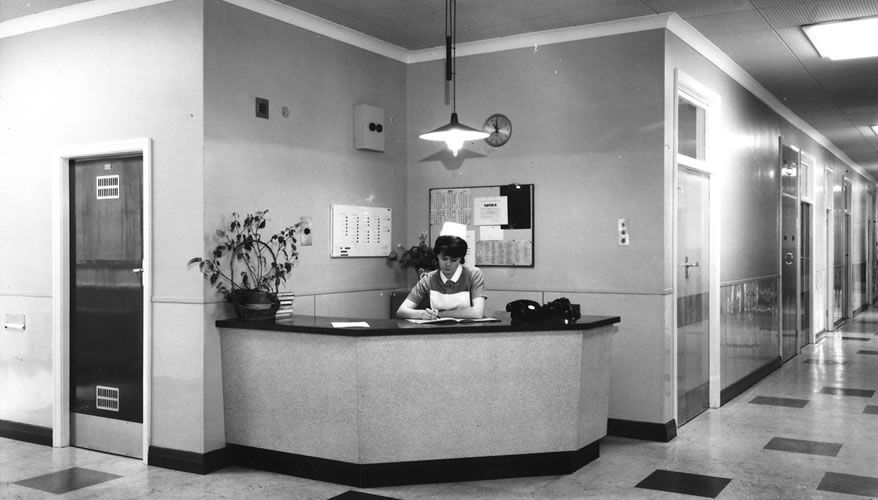
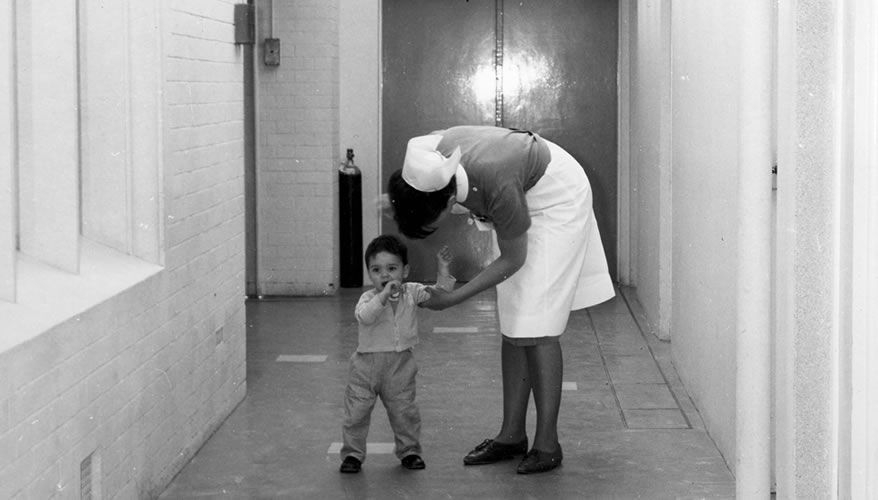
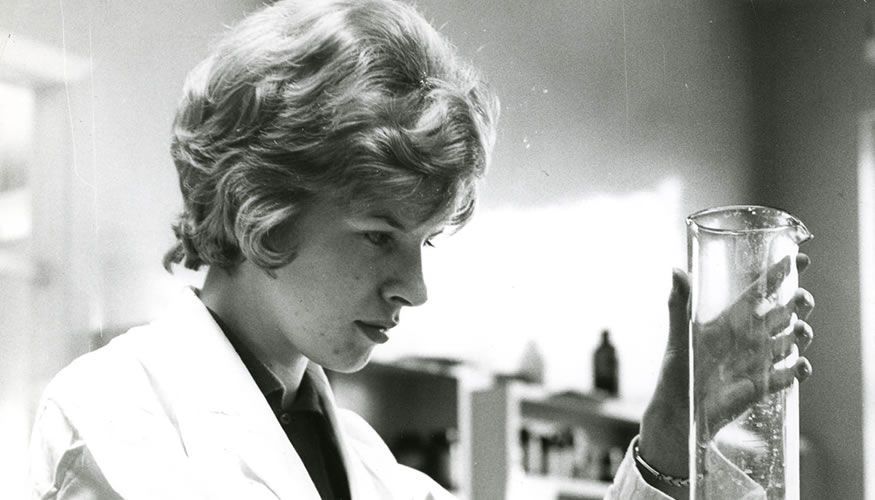


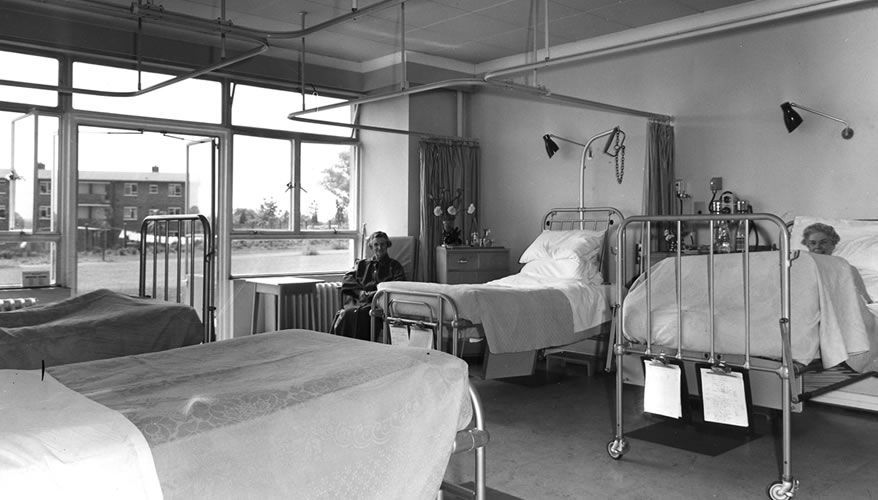

The Cranes of Southmead











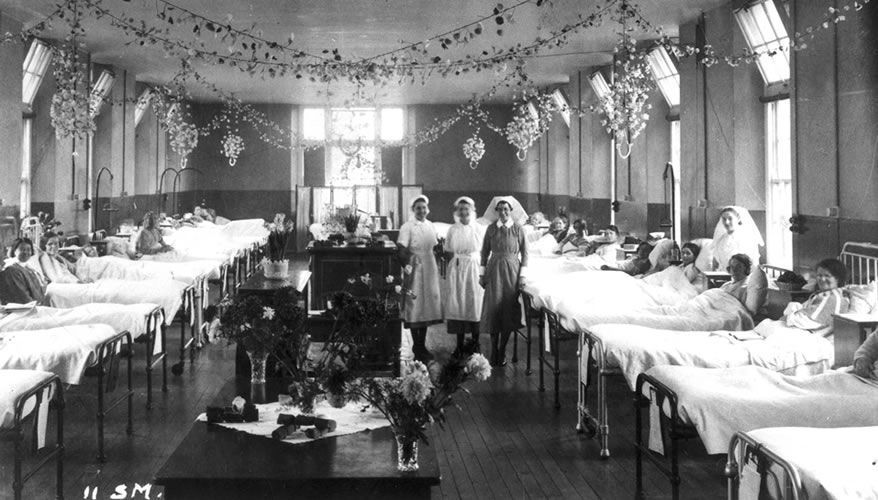
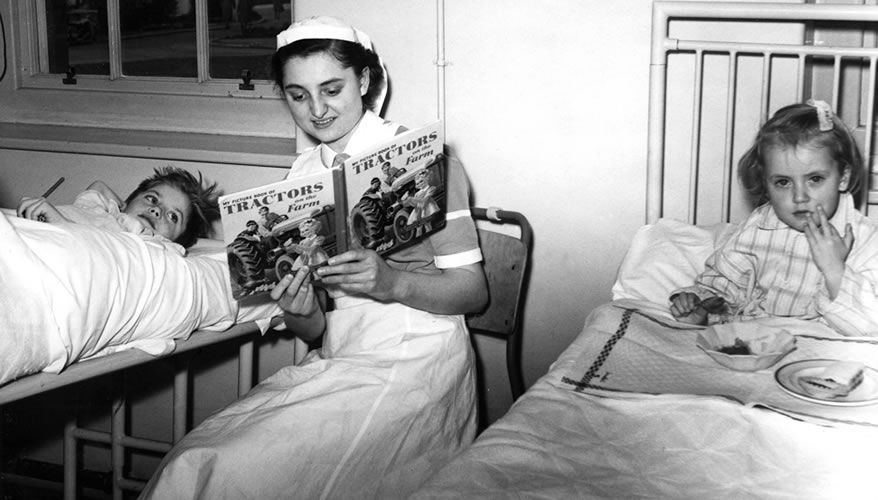

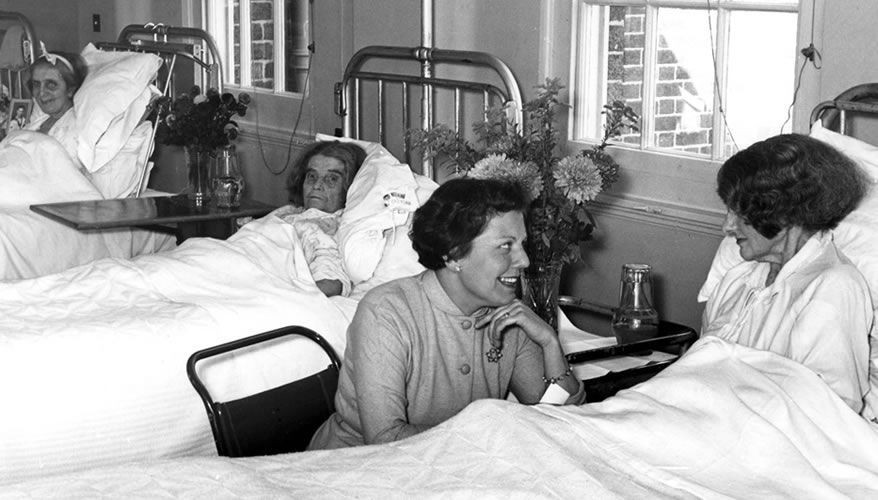

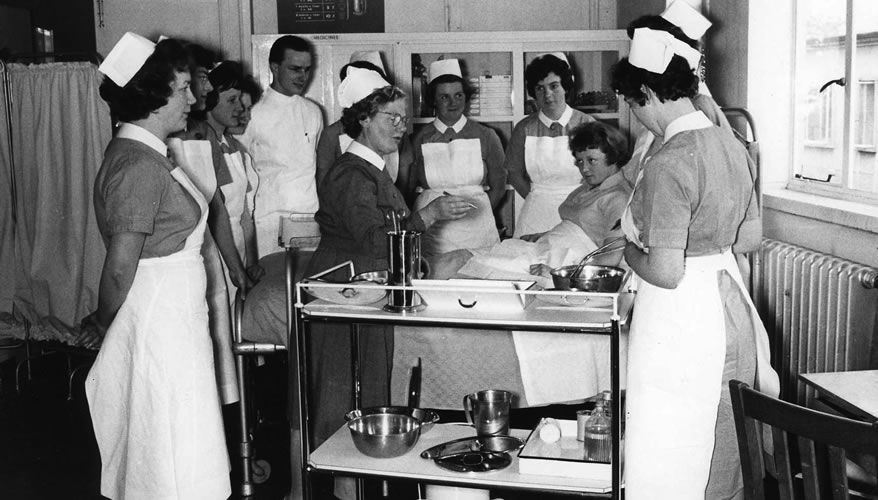
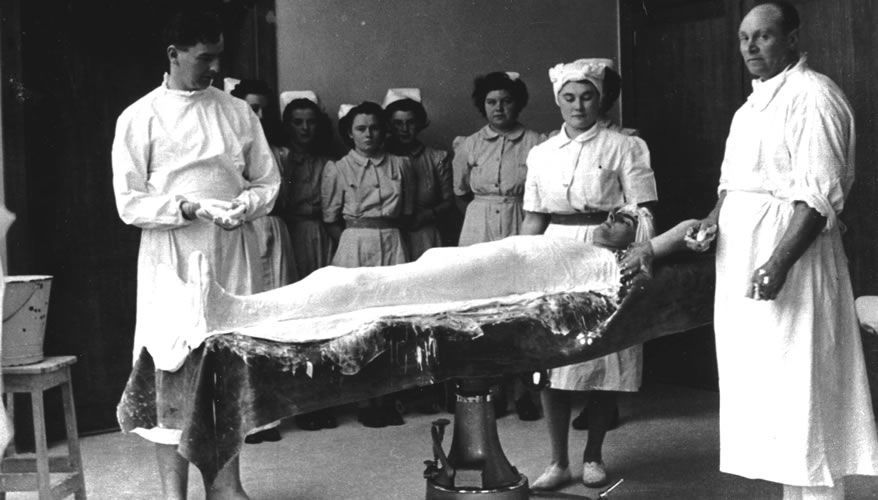
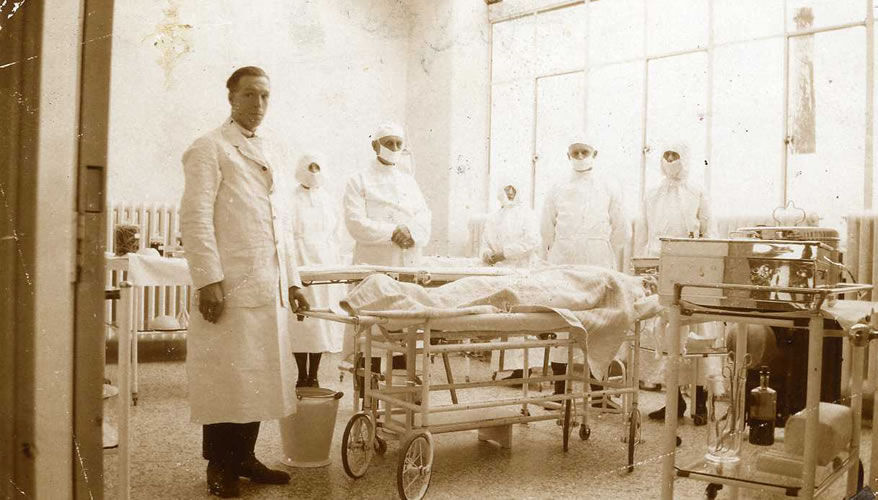
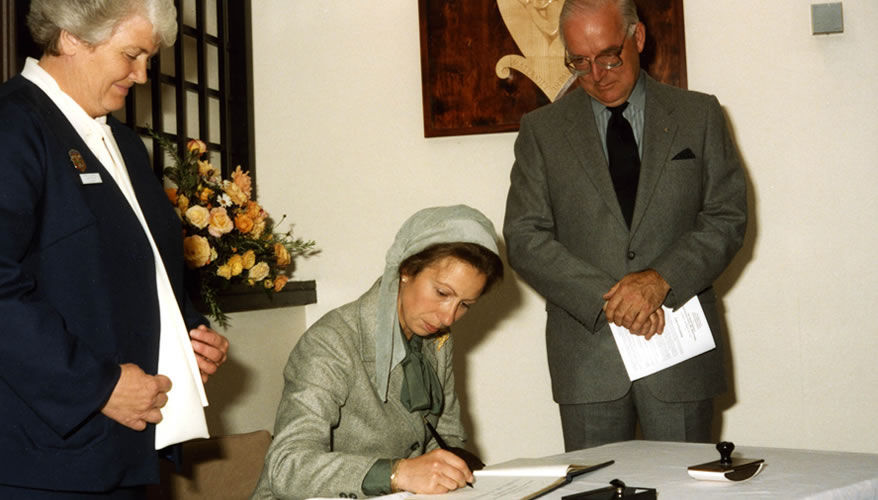
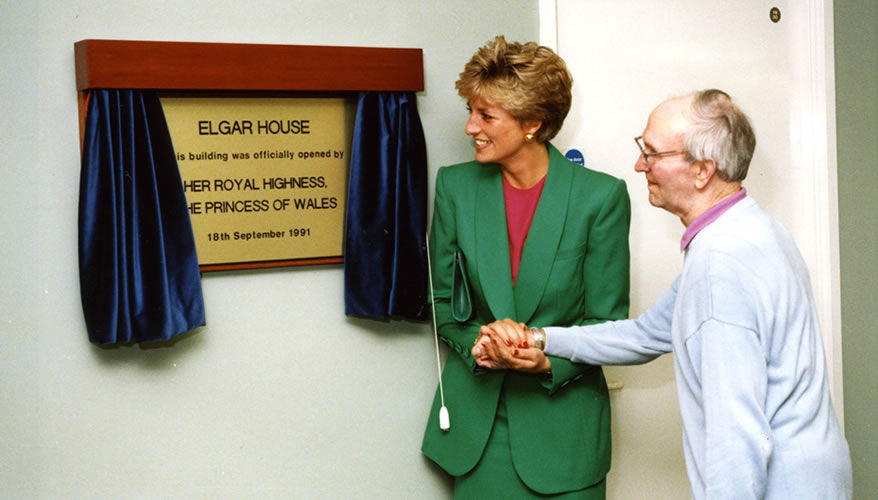
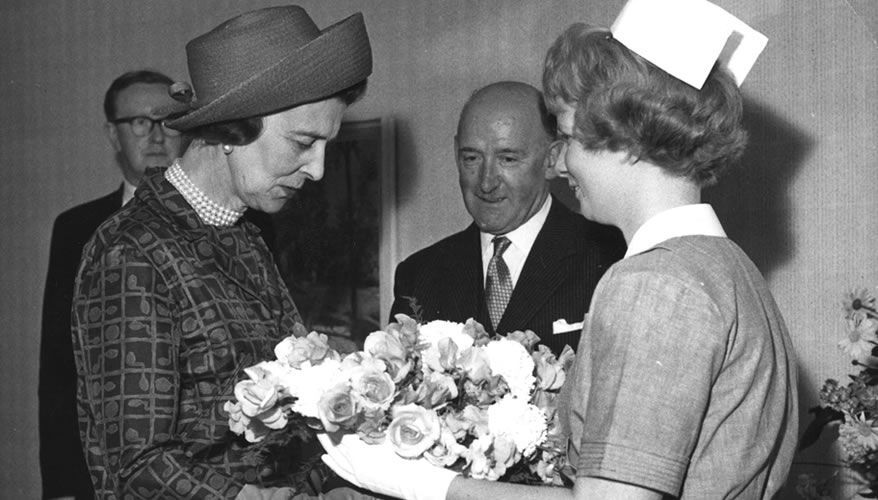
Royal Visits
Wide
Off
Off
Royal Visits

Amendments
Wide
Off
Off

Changes that you make to your protocol and related documents after the project has been approved are called ‘amendments’.
Amendments may be substantial or non-substantial:
- Substantial amendments involve significant changes to the design and methodology of a research project.
- Non-substantial amendments do not involve significant changes to the design and methodology of a research project.
Definitions of substantial and non-substantial amendments
A substantial amendment is defined as an amendment to the terms of the application, or to the protocol or any other supporting documentation, that is likely to affect to a significant degree:
- The safety or physical or mental integrity of the subjects of the study.
- The scientific value of the study.
- The conduct or management of the study.
- The quality or safety of any investigational medicinal product used in the trial.
Examples of non-substantial amendments include:
- Minor changes to the protocol or other study documentation, e.g. correcting errors, updating contact points, minor clarifications.
- Updates of the investigator’s brochure.
- Changes to the chief investigator’s research team.
- changes to the research team at particular trial sites.
- Changes in funding arrangements.
- Changes in the documentation used by the research team for recording study data.
- Changes in the logistical arrangements for storing or transporting samples.
- Inclusion of new sites and investigators.
- Change to the study end date.
For all studies, it is the responsibility of the sponsor to determine whether an amendment is substantial.
A detailed list of substantial and non-substantial amendment examples can be found on the HRA website.
Changes to contact details for the sponsor (or the sponsor’s representative), chief investigator or other study staff are minor amendments but should be notified to the main REC for information.
View Our Research
Explore the ground-breaking research currently taking place at North Bristol NHS Trust.
About Research & Development
Find out more about our research and how we're working to improve patient care.
Contact Research
Research & Development
North Bristol NHS Trust
Level 3, Learning & Research building
Southmead Hospital
Westbury-on-Trym
Bristol, BS10 5NB
Telephone: 0117 4149330
Email: research@nbt.nhs.uk
Development Safety Update Reports
Wide
Off
Off
The Development Safety Update Report (DSUR), also known as the ctIMP Annual Safety Report is intended to be a common standard for periodic reporting on drugs under development (including marketed drugs that are under further study) among the International Conference on Harmonisation (ICH) regions.
US and EU regulators consider that the DSUR, submitted annually, would meet national and regional requirements currently met by the US Investigational New Drug Annual Report and the EU Annual Safety Report, respectively, and will therefore take the place of existing safety reports.
The main objective of a DSUR is to present a comprehensive annual review and evaluation of pertinent safety information collected during the reporting period related to a drug under investigation, whether or not it is marketed, by:
- Examining whether the information obtained by the sponsor during the reporting period is in accord with previous knowledge of the investigational drug’s safety.
- Describing new safety issues that could have an impact on the protection of clinical trial subjects.
- Summarising the current understanding and management of identified and potential risks.
- Providing an update on the status of the clinical investigation/development programme and study results.
For international trials, reference on DSUR production and submission will be detailed in contractual agreements and/or specific protocol documents.
It is the responsibility of the sponsor to send our DSUR reports annually for every ctIMP study to the MHRA and to the main REC.
View Our Research
Explore the ground-breaking research currently taking place at North Bristol NHS Trust.
About Research & Development
Find out more about our research and how we're working to improve patient care.
Contact Research
Research & Development
North Bristol NHS Trust
Level 3, Learning & Research building
Southmead Hospital
Westbury-on-Trym
Bristol, BS10 5NB
Telephone: 0117 4149330
Email: research@nbt.nhs.uk
Annual Reporting
Wide
Off
Off
Research Ethics Committees (RECs) are required to monitor research that has received a favourable opinion. Therefore, researchers must submit Annual Progress Reports in order to inform REC of the progress of the research.
The information required in an Annual Progress Report relates to research conduct, recruitment, amendments, and safety.
A Progress Report should be submitted to the REC (which gave the favorable opinion) 12 months after the date on which the favorable opinion was given. Annual Progress Reports should be submitted thereafter until the end of the study.
How do I submit an Annual Progress Report?
It is the responsibility of the Chief Investigator to complete and submit Annual Progress Reports.
There are separate forms for submitting Annual Progress Reports, depending on the type of research. All forms are available to download directly from the HRA website.
Can I continue with my research after submitting an Annual Progress Report?
The REC does not need to re-confirm its favourable ethical opinion each time an Annual Progress Report is received. It is generally assumed that the opinion applies for the duration of the research, although the REC may review its opinion at any time.
View Our Research
Explore the ground-breaking research currently taking place at North Bristol NHS Trust.
About Research & Development
Find out more about our research and how we're working to improve patient care.
Contact Research
Research & Development
North Bristol NHS Trust
Level 3, Learning & Research building
Southmead Hospital
Westbury-on-Trym
Bristol, BS10 5NB
Telephone: 0117 4149330
Email: research@nbt.nhs.uk
Safety Reporting
Wide
Off
Off
Safeguarding the dignity, rights, safety and wellbeing of research participants must be the primary consideration in any research project, prevailing over the interests of science and society.
The reporting of safety events is one of the most important aspects of clinical trial management and quality control and is now governed by international law.
Safety reporting involves relaying to the appropriate bodies within the required timescales, the occurrence of any harm, suffering or death by a research participant in the course of research. This will permit an assessment of the safety of the research so that measures may be put in place to prevent it happening again. In the most severe cases, the research may be suspended or even terminated.
All participant visits including details of adverse events, clinical tests and investigations must be clearly documented in the patient medical notes and signed and dated. This information will be transcribed in the Case Report Form (CRF). Clear documentation is essential when running clinical studies. The need to safeguard confidential and personally sensitive information is vital.
All employees of NBT including temporary staff, students, volunteers and locums are bound by a legal duty of confidence to protect personal information that they may come into contact with. This duty may also be imposed by professional codes of conduct and in the terms of employment contracts or honorary contracts with the trust.
Safety reporting is vital for all research projects; however, there are strict legal requirements to be satisfied in the case of Clinical Trial of an Investigational Medicinal Product (ctIMPs).
Please contact research@nbt.nhs.uk for a copy of our Safety Reporting Flowchart.
View Our Research
Explore the ground-breaking research currently taking place at North Bristol NHS Trust.
About Research & Development
Find out more about our research and how we're working to improve patient care.
Contact Research
Research & Development
North Bristol NHS Trust
Level 3, Learning & Research building
Southmead Hospital
Westbury-on-Trym
Bristol, BS10 5NB
Telephone: 0117 4149330
Email: research@nbt.nhs.uk