Head injury advice for babies, toddlers, and children

Regular Off Off

This page is for parents whose child has sustained a head injury. Following a thorough examination we are satisfied that the injury is not serious.

  • Do expect your child to feel generally miserable and “off colour”. These feelings may include feeling sick (without vomiting), dizziness, irritability or bad temper, problems concentrating, problems sleeping or lack of appetite. Do not force them to eat but make sure that they have enough to drink.
  • Do expect your child to be more tired than usual. Allow them to sleep if they want to. See them every hour or so. Do not be confused between normal sleep and unconsciousness - someone who is unconscious cannot be woken up. You need to be satisfied that they are reacting normally to you.
  • Do expect your child to have a moderate headache. Children’s Paracetamol (sugar free) will suffice for this. A young child may only show a headache as fretfulness.

These symptoms should improve rapidly.

If you are concerned about any of these symptoms in the first few days, you should take your child to their doctor.

If these problems do not go away after two weeks, take your child to see their doctor.

Babies:

  • Encourage your child to have plenty of rest and avoid stressful situations. Your baby should be alert and be easily arousable from sleep.
  • Offer your baby milk feeds as normal. Avoid rich puddings etc. for the first two days.

Toddlers:

  • Avoid vigorous play.
  • Offer a light diet avoiding sweets/chocolates and fizzy drinks.
  • Do make sure that there is a nearby telephone and that the child stays within easy reach of medical help.

Children:

  • Do encourage your child to have plenty of rest and avoid stressful situations.
  • Do not give them sleeping pills, sedatives or tranquilisers unless they are prescribed for your child by a doctor.
  • Do not let them play any contact sport (for example, football) for at least three weeks without talking to their doctor first.
  • Do not allow them to return to school until you feel that they have completely recovered.
  • Do not leave your child alone in the home for the first 48 hours after leaving hospital.
  • Do make sure that there is a nearby telephone and that the child stays within easy reach of medical help.

Even after an apparently minor head injury, complications may occur, but these are rare.

If you notice any of the following signs

  • Unconsciousness, continuing drowsiness or difficulty in waking from sleep.
  • Appears confused or not understanding what is said.
  • Vomiting.
  • Complaining of severe headache or trouble with their eyesight.
  • Any loss of balance or problems walking.
  • Becomes irritable.
  • Has any kind of attack, which you think is a fit.
  • Any weakness in one or both arms or legs.
  • Clear fluid coming out of their ears or nose.
  • Bleeding from one or both ears.
  • New deafness in one or both ears.
  • Cries more than usual or is more difficult to settle than usual.
  • Fails to grasp objects.
  • Any abnormal behaviour.

Then you are advised to contact your own doctor or contact the Emergency Department without delay.

If you are unsure of anything, please do not hesitate to telephone us. A nurse is always available to give advice and will be happy to help.

© North Bristol NHS Trust. This edition published April 2024. Review due April 2027. NBT002266.

Contact Emergency Department (ED)

Gate 35, Level 0
Brunel building
Southmead Hospital
Southmead Road
Westbury-on-Trym
Bristol
BS10 5NB

Emergency Department Main Reception Gate 35: 0117 4145100 or 0117 4145101

We've introduced online letters for appointments

We know how important it is that you receive details about your visit to hospital quickly and easily.

That’s why we’ve introduced online letters for appointments so you can get your appointment information by text or email direct to your smartphone, tablet or computer.

Other Pathology Quality Data

Regular Off Off

The results of the last three years of Pathology User Surveys are displayed below. We use a standard survey report available from the Royal College of Pathologists. This is fed into by a large number of laboratories and allows for some benchmarking and comparison to be carried out.

The survey undertaken in 2022 had a very poor response rate. We created a separate survey off the back of this to look at ways we could improve things. Your feedback was invaluable and increased the responses in 2023 as a result.

We have combined the 2022 and 2023 comment section to help us define our action plans. 


A new survey will be sent out towards the end of 2024. If you have any feedback in the meantime, please email BloodSciencesAdmin@nbt.nhs.uk.


Quality
NBT RCPath Report and Action Plan 2023.pdf Pathology Sciences User Survey Report and Action Plan 2021.pdf Pathology Sciences User Survey Report and Action Plan 2020.pdf

Fresh Arts Volunteer Musician

Regular On Off

*Auditions for this role take place twice a year in February and July/August. You are welcome to apply at any time, but depending on when you submit your application, you could experience a wait of up to 5 months to be offered an audition slot.*

Purpose 

To enhance the experience of all members of the hospital community by providing background music for their enjoyment.

Commitment level

A minimum of 6 sessions per calendar year, within pre-booked slots

Summary of duties

•    To play the piano, or other musical instrument, in the designated space within the Brunel building atrium
•    To interact with members of the hospital community in a polite, inclusive and professional manner
•    Be an ambassador for North Bristol NHS Trust – in particular, supporting the work of the Fresh Arts programme and Southmead Hospital Charity
•    Report any defects/issues with the piano/equipment

Skills, experience, attitudes, and qualities needed

Essential

•    Excellent musician, sensitive to the needs of a very diverse (and at times vulnerable) audience 
•    Positive attitude to providing appropriate background music within a busy public space and place of work
•    Ability to take clear direction
•    Willingness to undertake all mandatory training and follow instructions given by the Music Manager
•    Friendly and personable manner
•    Shows empathy, patience, respect for, and consideration of others
•    Excellent listening and communication skills

Desirable

•    Ability and willingness to play diverse requests by ear (this is not essential)

Training and information provided

•    Volunteer orientation and induction within the hospital
•    Induction and mandatory training for all North Bristol NHS Trust Fresh Arts Volunteer Musicians 
•    Ongoing volunteer updates and useful information

Challenges of the position

NBT values the role of music and the arts in supporting, enhancing and facilitating positive healthcare outcomes; however, the Brunel building atrium is primarily a place of work and public building, not a concert hall. All musical activity undertaken by volunteers within this space must be delivered with due consideration to all users of the building.

Coming into hospital can be an anxious time for patients and their relatives. It is important that the volunteer musician remains calm and listens politely to feedback. Our training provides support and guidance on how to approach challenging situations

Boundaries of the position

Volunteering within the NHS has clear boundaries to ensure that we are keeping our patients and volunteers safe. You will be provided with further details upon successful recruitment 

Reimbursement of expenses

Travel expenses to and from the hospital can be reimbursed

Benefits of volunteering

•    Gain practical experience in delivering music in healthcare settings (especially useful for those with an interest in careers in musical performance/music therapy/community music) and receive invitations to perform at special events
•    Contribute to the wellbeing of the hospital community and help create a welcoming environment
•    Learn about working within a healthcare environment (especially useful for those with an interest in careers in health services)
•    References can be provided on completion of three months volunteering, providing a minimum of 12 sessions have been completed during this time
•    Make new friends and meet other musicians
•    Awards in recognition of volunteering contribution

Recruitment information

You will need to complete an application form, pass an audition, complete mandatory training and sign the volunteer pianist’s code of conduct before commencing activity in the role of volunteer pianist

Contact

If you would like further information about this role please contact the Music Manager at: piano@nbt.nhs.uk 

How to apply

If you would like to apply for this volunteer opportunity, please click the link below to be taken to the application portal, where you will be able to apply online: 

Current Vacancies | North Bristol NHS Trust - Fresh Arts Volunteer Musician

If you would like an alternative method to apply, such as a paper application form, please get in touch with us directly on: 

Telephone Number: 0117 414 0110

Email: Volunteer.services@nbt.nhs.uk

Postal Address: Volunteer Services, North Bristol NHS Trust, Brunel building, Level 1, Gate 18, Southmead Hospital, Bristol, BS10 5NB

painist edited.jpg

How to treat a chest wall injury

Regular Off Off

​This page provides information for patients with any of the following:

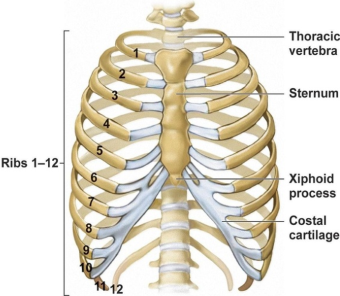
  • Fractured (broken) ribs
  • Fractured sternum (breastbone)
  • Chest wall bruising

Injuries of the chest wall can be very painful. Due to movement of the chest wall, deep breathing and coughing will be painful, but it is important to breathe and cough normally. Chest wall injuries often take several weeks to get better. As a rough guide, a patient with one broken/bruised rib can expect to be in pain for three weeks and to be in discomfort for several more weeks and even longer if more than one rib is involved. It may be helpful to sleep sitting upright for the first few nights.

There is no specific treatment for broken ribs and it is not always necessary to X-ray the chest, as the treatment for a broken rib is the same as that for a bruised chest. This is to take painkillers and follow the guidelines below.

The main complication is stagnation of the normal chest secretions leading to chest infection. The risk is greater in smokers and people with chest disease.

To prevent infection, you must:

  • Do regular deep breathing exercises: 10 very deep breaths every hour.
  • If you feel the need to cough, it is vital that you do cough to remove phlegm. You should not suppress it, despite the pain. It will be more comfortable to cough if you support the painful area with a pillow or, after a few days, your hand.
  • Do take regular painkilling tablets, either as prescribed or as bought over the counter (e.g. aspirin or paracetamol). This will make it easier to cough and breathe deeply. Do not take cough linctus.

See your General Practitioner (GP) if:

  • You become short of breath.
  • You start to cough up green, yellow or blood-stained sputum (phlegm).
  • You become unwell with a temperature.

This page gives guidance only. If you have any queries or your symptoms worsen, please contact your GP surgery or the Emergency Department.

If you are unsure of anything, please do not hesitate to phone us. A nurse is always available to give advice and will be happy to help.

© North Bristol NHS Trust. This edition published April 2024. Review due April 2027. NBT002256.

Contact Emergency Department (ED) Related Links (ON Emergency Department & Minor Injuries Unit)

Wound care advice

Regular Off Off

How to care for your wound to aid wound healing

Glue

  • A special wound glue has been used. It is designed to hold the wound edges together until it has healed.
  • The glue will need to stay on long enough for this to take place (at least five days).
  • The glue will come off on its own. Do not pick or encourage the glue off. Too early a removal will increase the risk of scarring and may introduce infection.
  • Avoid washing the area. However, water splashing onto the wound after treatment will not affect the glue.
  • Do not put any dressing on the wound. Never use an Elastoplast on the glue as this will make it sweat and the edges will not hold together.
  • Do not use any antiseptic creams over the glue.

Staples

  • Your wound has been closed using special steel wound staples. They are designed to hold the wound together until the wound has healed.
  • You will need to make an appointment with the practice nurse at your GP’s surgery to have the staples removed in 5-7 days or as advised by the health care practitioner who put them in for you.
  • We will provide you with a staple remover that you will need to take with you. It is a painless procedure.
  • You may both shower and wash your hair with staples in. If using a hair dryer it is advised to have it on a cool setting.
  • The staples are designed to stand up proud from the skin and this may, if you are not careful, catch in a comb or brush.

Suture (stitches)

  • If your wound has been closed using stitches, you will need to make an appointment with the practice nurse at your GP’s surgery for them to be removed. Your clinician in ED will advise you on the number of stitches to be removed and how many days before they need to be taken out.
  • Stitches on the face may not be dressed. Apply clean Vaseline to the wound twice a day, but not last thing at night as it will rub off on your bedclothes.
  • If Steristrips have been used you can remove these yourself after seven days by gently moistening the wound and paper strips with warm water.
  • Avoid touching the wound or getting it wet as this will encourage infections.
  • If a plastic finger stall is needed for hygiene purposes, only use for short periods due to them increasing moisture around the wound site.

General wound care advice

Wound infections are always a possibility after an accident.

Please contact your GP if your wound develops any of the following:

  • Increased redness, pain, swelling or heat around the wound.
  • An offensive smell.
  • A thick creamy discharge. However, it is normal for there to be a clear straw coloured fluid weeping from the wound in the first 36 hours.
  • Fever.

If you get any of the above, please go and see your GP or return to the Emergency Department.

Tetanus

We will only give you a tetanus injection if you have the type of wound that is shown to be likely to be infected by tetanus or you have not had the full recommended course of immunisation during your lifetime.

© North Bristol NHS Trust. This edition published April 2024. Review due April 2027. NBT002253.

Contact Emergency Department (ED) Related Links (ON Emergency Department & Minor Injuries Unit)

Purple Butterfly Volunteer

Regular On Off

Purpose and summary of duties

The Purple Butterfly Volunteers are a group of specially trained people, with a variety of skills, who support both patients and their families and friends at a difficult time. They offer one-to-one support, compassionate listening, comfort and companionship particularly for those with few or no visitors.

Each visit is unique. The volunteers will work with the patient and visitors present to determine any needs at that particular time.

The volunteers can help by reading aloud or by making a cup of tea and sitting down to chat. Sometimes, silent company or just holding a person’s hand is what is needed. The volunteers can liaise with the ward staff if they feel that the patient has additional needs.

On occasions, the volunteers are called upon to support visitors who do not want to leave their loved ones alone. The volunteer will offer respite, so that they can take a short break from the bedside.

Commitment level

4 hours, weekly or fortnightly for a minimum of 6 months

Shifts available between Monday to Friday, 90.00am-1.00pm or 1.00pm-5.00pm

Skills, experience, attitudes, and qualities needed

Essential

•    Excellent listening skills and a non-judgmental attitude
•    Compassionate 
•    A friendly and open manner
•    To feel comfortable in an acute hospital environment
•    To adhere to the Trust values of treating others with respect and dignity at all times
•    Understand the importance to stay within the boundaries of the role description

Desirable

•    Previous experience supporting patients receiving end of life care 
•    Experience working with people with cognitive impairments or dementia
•    Experience working with people with autism or a learning disability 

Training and information provided

•    Volunteer mandatory training programme (please find further information on our FAQs page)
•    Department orientation and induction
•    Specialist training if required, such as Dementia Level 2 or mealtime companion training
•    Shadowing induction sessions with an existing volunteer or staff member demonstrating the role.
•    Ongoing supervision and support 
•    Ongoing updates and information

Challenges of the position

•    The emotional and spiritual consequences of being with people at the end of life
•    Coming into hospital can be an anxious time for patients and their relatives. Sometimes this may make people less tolerant than they might usually be and they may come across as impolite. It is important that the volunteer remains calm and listens politely and seeks staff support immediately if required.
•    Potentially supporting patients with cognitive impairments or dementia (around 25% of inpatients at NBT have dementia), additional training and support will be provided. 

Boundaries of the position

Volunteering within the NHS has clear boundaries to ensure that we are keeping our patients and volunteers safe. Please download the detailed role description below for further details. 

Reimbursement of expenses

•    Travel expenses to and from the hospital can be reimbursed
•    Meal vouchers for use in the staff Vu restaurant are offered if volunteering for over 4 consecutive hours in one day

Benefits of volunteering

•    Gain practical volunteer experience and learn about the healthcare environment 
•    Develop skills and experience that may be transferable to paid employment, such as working as a part of a team
•    Opportunity to help/support patients during a difficult time
•    References can be provided on completion of three months volunteering, if required
•    Ongoing support and supervision sessions
•    Making friends with other volunteers and meeting new people
•    Awards in recognition of volunteering contribution
•    Light refreshments when on duty
•    Free parking

Recruitment information

You will be asked to provide two independent references from people who have known you for more than three years (this cannot be a family member).

You will also need to have a standard Disclosure and Barring Service (DBS) check for this role, which will be paid for by the Trust.

How to apply

If you would like to apply for this volunteer opportunity, please click the link below to be taken to the application portal, where you will be able to apply online: 

Current Vacancies | North Bristol NHS Trust - Purple Butterfly Volunteer

Postal Address: Volunteer Services, North Bristol NHS Trust, Brunel building, Level 1, Gate 18, Southmead Hospital, Bristol, BS10 5NB

If you have any questions or would like this information in a different format, please get in touch with us on: 0117 414 0110

Volunteer application Form 2022 - accessible.docx Purple Butterfly Volunteer Role Description FINAL.docx
PB Image edited 2.png

Ward Support Volunteer

Regular On Off

Purpose 

This role enhances the quality and comfort of the patient’s stay by offering complimentary patient support to improve the patient experience, under direct supervision from the qualified ward staff. 

Commitment level

2-4 hours, weekly or fortnightly for a minimum of 6 months

Shifts available 7 days a week.  Approximately 10.00am-2.00pm or 4.00pm-7.00pm

Summary of duties

This role will be under the guidance and supervision of the ward staff, and accompanies the housekeeper during mealtimes.

•   Report to ward manager or nurse in charge on arrival
•   Routinely checking in on patients for an informal chat
•   Make sure staff are aware immediately if a patient has any clinical concerns 
•   After each patient has received their meal, check the patient is happy with their food, passing on any queries or concerns 
•   Help with ad-hoc incidental patient requests such as topping up their water jug or fetching a blanket
•   Encourage patients to eat, (no feeding permitted) helping to ensure food is cut up, opened and accessible as directed (training available) 
•   If the patient has not completed their next menu card, prompt them to do so or find a housekeeper to support them
•   Take the time to understand how patients like their drinks and pass this information onto the housekeeper for completion

Skills, experience, attitudes, and qualities needed

Essential

•    Excellent listening skills and a non-judgmental attitude
•    Compassionate 
•    A friendly and open manner
•    To feel comfortable in an acute hospital environment
•    To adhere to the Trust values of treating others with respect and dignity at all times
•    Understand the importance to stay within the boundaries of the role description

Desirable

•    Experience working with people with cognitive impairments or dementia
•    Experience working with people with autism or a learning disability 

Training and information provided

•    Volunteer mandatory training programme (please find further information on our FAQs page)
•    Department orientation and induction
•    Specialist training if required, such as Dementia Level 2 or mealtime companion training
•    Shadowing induction sessions with an existing volunteer or staff member demonstrating the role.
•    Ongoing supervision and support 
•    Ongoing updates and information

Challenges of the position

•    Coming into hospital can be an anxious time for patients and their relatives. Sometimes this may make people less tolerant than they might usually be and they may come across as impolite. It is important that the volunteer remains calm and listens politely and seeks staff support immediately if required.
•    Potentially supporting patients with cognitive impairments or dementia (around 25% of inpatients at NBT have dementia), additional training and support will be provided. 

Boundaries of the position

Volunteering within the NHS has clear boundaries to ensure that we are keeping our patients and volunteers safe. Please download the detailed role description below for further details. 

Reimbursement of expenses

•    Travel expenses to and from the hospital can be reimbursed
•    Meal vouchers for use in the staff Vu restaurant are offered if volunteering for over 4 consecutive hours in one day

Benefits of volunteering

•    Gain practical volunteer experience and learn about the healthcare environment 
•    Develop skills and experience that may be transferable to paid employment, such as working as a part of a team
•    Opportunity to help/support patients during a difficult time
•    References can be provided on completion of three months volunteering, if required
•    Ongoing support and supervision sessions
•    Making friends with other volunteers and meeting new people
•    Awards in recognition of volunteering contribution
•    Light refreshments when on duty
•    Free parking

Recruitment information

You will be asked to provide two independent references from people who have known you for more than three years (this cannot be a family member).

You will also need to have a standard Disclosure and Barring Service (DBS) check for this role, which will be paid for by the Trust.

How to apply

If you would like to apply for this volunteer opportunity, please click the link below to be taken to the application portal, where you will be able to apply online: 

Current Vacancies | North Bristol NHS Trust (nbt.nhs.uk)

If you would like an alternative method to apply, such as a paper application form, please get in touch with us directly on: 

Telephone Number: 0117 414 0110

Email: Volunteer.services@nbt.nhs.uk

Postal Address: Volunteer Services, North Bristol NHS Trust, Brunel building, Level 1, Gate 18, Southmead Hospital, Bristol, BS10 5NB

Accessible Ward Support Volunteer Role Description.docx
ward support edited .jpg

Patient Befriender

Regular On Off

Purpose 

This role provides company and companionship to suitable patients, spending time with them on the wards, engaging in conversation or activities, with the support and supervision of ward staff.

Patient Befriender volunteers will enhance the patient experience and help to reduce feelings of isolation and loneliness.

This role can be combined alongside the mealtime Companion volunteer role.

Commitment level

3-4 hours, weekly or fortnightly for a minimum of 6 months

Shifts available 7 days a week.  Approximately 10.00am-2.00pm or 4.00pm-7.00pm

Summary of duties

•    Speak to the nurse in charge upon arrival, who will provide information on what patient to offer befriending support
•    Provide companionship to patients by talking and listening to them
•    Encourage patients to participate in social and recreational activities, such as reading, doing a jigsaw, sharing a crossword, playing cards, or other appropriate activities that appeal to the patient
•    If you would like to do a creative or a musical activity with the patient, please consult Volunteer Services so that the activities align with Fresh Arts Guidelines
•    Prompt patients to make their menu choices for the next day’s meals
•    Chat with carers and signpost to the hospital’s carers liaison service, where appropriate
•    Notify the appropriate staff member if the patient would like refreshments, or assistance 
•    Escalate any concerns immediately to a member of staff

Skills, experience, attitudes, and qualities needed

Essential

•    Excellent listening skills and a non-judgmental attitude
•    A friendly and open manner
•    To feel comfortable in an acute hospital environment
•    To adhere to the Trust values of treating others with respect at all times
•    Understand the importance to stay within the boundaries of the role description

Desirable

•    Experience working with people with cognitive impairments or dementia
•    Experience working with people with autism or a learning disability 

Training and information provided

•    Volunteer mandatory training programme (please find further information on our FAQs page)
•    Department orientation and induction
•    Specialist training if required, such as Dementia Level 2
•    Shadowing induction sessions with an existing volunteer or staff member demonstrating the role.
•    Ongoing supervision and support 
•    Ongoing updates and information

Challenges of the position

•    Coming into hospital can be an anxious time for patients and their relatives. Sometimes this may make people less tolerant than they might usually be and they may come across as impolite. It is important that the volunteer remains calm and listens politely and seeks staff support immediately if required.
•    Potentially supporting patients with cognitive impairments or dementia (around 25% of inpatients at NBT have dementia), additional training and support will be provided. 

Boundaries of the position

Our patients are at the heart of everything we do. This role is to improve the patient experience and providing companionship is the key objective of this role. This role will not involve tasks to support the housekeeper. 

Volunteering within the NHS has clear boundaries to ensure that we are keeping our patients and volunteers safe. Please download the detailed role description below for further details. 

Reimbursement of expenses

•    Travel expenses to and from the hospital can be reimbursed
•    Meal vouchers for use in the staff Vu restaurant are offered if volunteering for over 4 consecutive hours in one day

Benefits of volunteering

•    Gain practical volunteer experience and learn about the healthcare environment 
•    Develop skills and experience that may be transferable to paid employment, such as working as a part of a team
•    Opportunity to help/support patients during a difficult time
•    References can be provided on completion of three months volunteering, if required
•    Ongoing support and supervision sessions
•    Making friends with other volunteers and meeting new people
•    Awards in recognition of volunteering contribution
•    Light refreshments when on duty
•    Free parking

Recruitment information

You will be asked to provide two independent references from people who have known you for more than three years (this cannot be a family member).

You will also need to have a standard Disclosure and Barring Service (DBS) check for this role, which will be paid for by the Trust.

How to apply

If you would like to apply for this volunteer opportunity, please click the link below to be taken to the application portal, where you will be able to apply online: 

Current Vacancies | North Bristol NHS Trust (nbt.nhs.uk)

If you would like an alternative method to apply, such as a paper application form, please get in touch with us directly on: 

Telephone Number: 0117 414 0110

Email: Volunteer.services@nbt.nhs.uk

Postal Address: Volunteer Services, North Bristol NHS Trust, Brunel building, Level 1, Gate 18, Southmead Hospital, Bristol, BS10 5NB

Accessible Patient Befriender Volunteer Role Description.docx
befriender edited .jpg

Macmillan Wellbeing Centre Nutrition and Exercise

Regular Off Off

Nutrition

Under this section, you can find out more information around how a dietitian can help with Nutrition and about Dietetic clinics

How can a dietitian help me?

Dietitians are ‘qualified and regulated health professionals that assess, diagnose, and treat dietary and nutritional problems at an individual and wider public health level’.

‘Dietitian’ is a protected title and they are the only legally recognised health professionals who advise on nutrition and dietary intake.

Dietitians translate nutritional science into understandable and practical information tailored to each patient.

We provide personalised and tailored advice for patients with and after a cancer diagnosis which might include

  • Concerns about weight loss.
  • Issues with your gastrointestinal system e.g. bowel habits.
  • Eating well for the future.

Dietetic clinics

Dietetic clinics are run throughout the week to support individuals with nutritional concerns following a cancer diagnosis. This service offers the opportunity for people to self-refer, or to be referred by a professional for 1:1 nutritional advice from a HCPC registered Oncology (Cancer) Specialist Dietitian.

Referrals are accepted at any time following a cancer diagnosis, however, if we are unable to support your nutritional needs, in some cases, your GP may be able to direct you to another dietetic service in your area.

At present, we are able to support individuals with the following nutritional concerns:

  • Coping with a poor appetite, or unintentional weight loss.
  • Urgent nutritional support for cancer/treatment-related side-effects.
  • Altered texture diets due to swallowing difficulty.
  • Making dietary changes as a result of cancers affecting the digestive tract.
  • Managing weight following completion of cancer treatment – acceptance criteria will apply.
  • Eating well to support your health in the future.

We are not currently excepting patients with a diagnosis of upper gastrointestinal malignancy. Please contact your GP for referral to a local dietetic service. 

A variety of support options are available including; face-to-face appointments (if safe and appropriate to do so), video calls, and telephone support. Self-referral forms are available from the NGS Macmillan Wellbeing Centre or the self-referral is available online.

Macmillan Dietitian Abi Nickless

Macmillan Specialist Dietitian

Abi Nickless

I am a Macmillan Cancer Specialist Dietitian, providing a dietetic service to patients with a diagnosis of cancer. I work as part of the Proactive Project: Personalised Prehabilitation and Rehabilitation for people affected by Cancer. The Proactive Project is a team of allied health professionals, technicians and administrative support. 

Eating Well

The Eatwell Guide makes healthy eating easier to understand by giving a visual representation of the types of foods and drinks we should consume and in what proportions to have a healthy, balanced diet.

Healthier diets could help prevent up to one-third of cancers (30%) in the UK. A lot of research is being done into which types of food may affect your risk of developing cancer. Find out more information on the Macmillan Healthy eating and cancer page.

Exercise

A daily brisk walk can give your body a boost, lift your mood and make everyday activities easier. Try the NHS tools, tips and special offers to move more every day.

Penny Brohn Provides a range of resources. Ranging from exercise guides and lists of local charities to cookery demonstrations and relaxations. 

Dietetics
Self Referral with flyer for Macmillan Dietitian 2023.doc Professional Referral with flyer to Macmillan Dietitian 2023.docx
Macmillain wellbeing centre Nutriton and Exercise .png

Your Physiotherapy Appointment

Submitted by Jessica Knott on

We are undertaking a review of all patients on the Physiotherapy waiting list and would like to understand whether you still need an appointment to be booked.

If you have significant changes in your symptoms relating to your condition, please speak with NHS 111 or your GP.

Please provide these details so we can find your records:

Do you still need a Physiotherapy appointment?
We will offer an appointment as soon as possible, thank you for your patience.

Whilst you wait for an appointment, have a look at our online information page, with useful links to help you manage your symptoms. This page will be shown once you have submitted this form. 

Please tell us why you no longer need an appointment:
You will be discharged from our service. 
CAPTCHA
This question is for testing whether or not you are a human visitor and to prevent automated spam submissions.

Do you have any questions? 
On Regular

Please only complete this form if you have a letter asking you to do so.