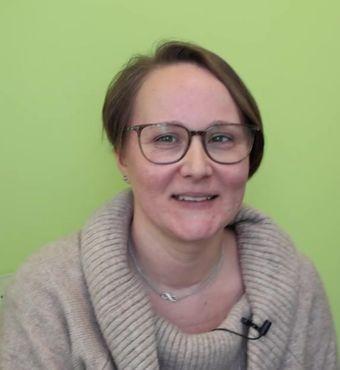
Kate is a Research Physiotherapist and is the lead research Allied Health Professional for the CoMitTED Trauma trial.
She shares how she started out in research and is developing her career by doing a Masters and applying for grants.
My current role is a national role. I don’t sit within one of the teams in the research and development department. Instead, I’m the lead research Allied Health Professional for CoMiTED, which is a multi-centre randomised controlled trial recruiting trauma patients in emergency departments across the country.
My role is really designed to boost patient recruitment
I work with local sites to deliver training and make sure both research staff and clinicians are aware of the trial and what we’re asking of them. I also work alongside our trial manager to boost follow-up rates, ensure data accuracy, raise queries, keep an eye on screening, and support preparations for oversight committees and publications.
Video Transcript
I'm Kate.
I'm a research physiotherapist.
My current role is a national role.
I don't sit within one of the teams in the research and development department.
I'm the lead research allied health professional for CoMiTED, which is a multi-centre randomised control trial recruiting trauma patients in emergency departments across the country.
My role is really designed to boost recruitment, so I work with local sites to do training, make sure that both research staff and clinicians are aware of the trial and what we're asking of them.
I also work alongside our trial manager, make sure that we're trying to boost follow up rates, that the data coming in is accurate, raising queries on that, keep an eye on screening.
And I also work to support preparations for oversight committees, publications, that type of thing.
I think the headspace, to be honest, when I was working clinically, it was always so busy on the wards.
You were just firefighting.
You didn't really have time to step back and really get to know the evidence base behind that area or to think about whether the treatments you were doing were the right thing to be doing.
But when you can step away from that clinical arena and work in research you can get to really dive into that area of interest.
My current role is probably the one that I've learnt the most on.
As I said, it's a national role.
So whereas before my delivery experience was local and I was only exposed to what was happening at North Bristol NHS Trust, I've now seen what's going on across the whole country.
I've worked with over forty sites, I've met staff from across a huge variety of sites and that's been really eye opening.
I've also got to see the inner workings of a trial as part of the central team without the pressure of being the trial manager, which has been great.
Looking at how all the oversight committees work and you know all the mechanisms behind a successful trial delivery.
I ran my own qualitative study looking at AHPs who work in the emergency departments, experiences of research.
I have also recently submitted a grant application to run my own trial which was a much bigger endeavour, and I wouldn't have been able to do that without a really good team around me.
So the local Bristol trial centre and also the consultant who I work with in my day job gave a huge amount of support to me to work out the costings. We put together a robust grant application, potentially then going to look at applying for a fellowship to continue buying out some protected time to do more of my own research.
And I'm also a Co-applicant on a couple of chest trauma trials currently being funded by research and development to complete a master's in health research, which I'm very grateful for.
When I first got into research I was working clinically
I wanted to specialise in trauma but there weren't any suitable clinical posts. I stumbled across the Trauma Research Delivery Team and felt that the work of a research physiotherapist fitted quite well with my work life balance. I had young family at the time, and it meant I didn't have to carry on with weekend shifts and on calls.
I appreciate the headspace that research gives me
When I was working clinically, it was always so busy on the wards. I was firefighting and I didn’t have time to step back and really get to know the evidence base or think about whether the treatments I was doing were the right thing. Moving into research gives you the chance to dive into your area of interest.
My current role is probably the one I’ve learnt the most on
Before, my delivery experience was local and limited to North Bristol NHS Trust. Now, I’ve worked with over 40 sites and met staff from across a huge variety of settings, which has been eye-opening. I’ve also seen the inner workings of a trial as part of the central team – how oversight committees operate and the mechanisms behind successful trial delivery.
I’ve run my own qualitative study
I explored Allied Health Professionals’ experiences of research in emergency departments. More recently, I successfully submitted a grant application to run my own trial, which was a much bigger endeavour. I couldn’t have done it without a strong team around me – the Bristol trial centre and the consultant I work with gave huge support in working out costings and putting together a robust application. I’m now considering applying for a fellowship to secure protected time for more research.
I’m currently completing a Master’s in Health Research
I’m just embarking on my dissertation to finish a two-year course. Informal support has been invaluable – consultants and colleagues have acted as mentors, introduced me to new opportunities, and given me a nudge in the right direction when I needed it.
It’s not true that you need to keep your ideas secret in research
Sometimes people worry that either they'll be laughed at because they have a silly idea, or that someone else is going to pinch that idea. But that's really not true. You need to share your idea with people as soon as possible so that they can nip it in the bud if it’s a bad idea. But more importantly, they can support you and help you to develop it into a really robust project if it is a good idea.
If someone’s considering a career in health research I’d suggest…
Firstly, to think about it early. I think one of the barriers sometimes is that you progress in your clinical area so far, and then you maybe don't think about research until you're quite a long way down in your career and possibly at a point where financially you can't afford to jump to a lesser paid or unpredictable salary. So, the earlier that you can think about it, start developing the groundwork for understanding how to do research, the better. So maybe if you're a band 5 or a band 6, you would think about a role in delivery. It offers you the chance to stick your toe in the water and see whether research is for you or not at a point in your career where it's not too difficult to make that change and move across.
I think it's also important not to be put off by the fixed term and often temporary nature of research. There's normally always something else you can move on to and certainly within research delivery there's always something else you can find, so I think you just need to be brave and give it a go.
Further information
- NBT’s Researcher Zone is a good starting point for finding out about research, what to do with an idea and funding.